

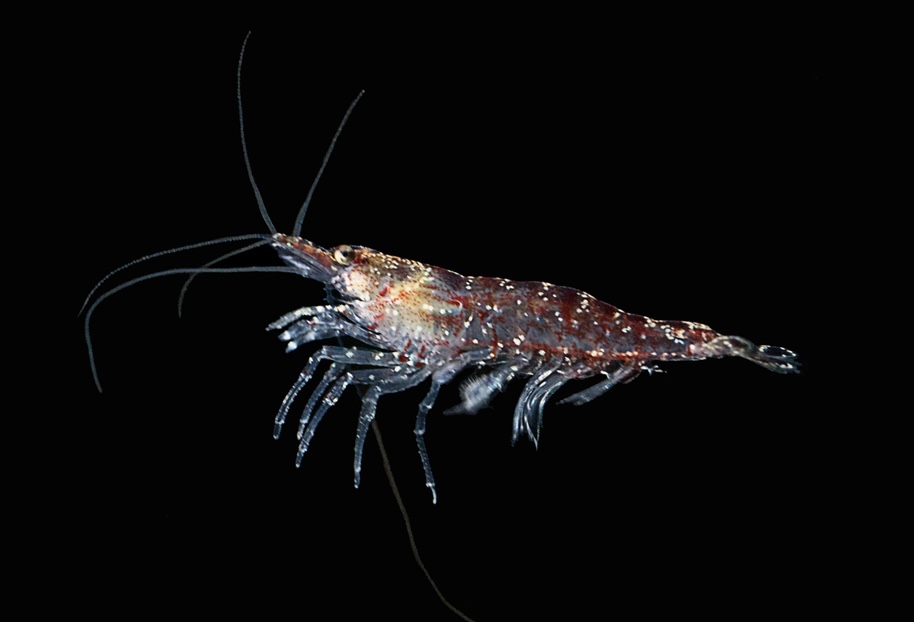
Today, I need to talk about something that’s been weighing heavy on me – the “Krill Crisis.”
It’s easy to think of Antarctica as an untouched wilderness, but beneath the waves, a silent battle is unfolding. As we move through 2026, the status of Antarctic krill – those tiny, shrimp-like “superheroes” that hold the entire ecosystem together – has reached a critical tipping point.
The Human Element
While the industry claims krill oil is a “health necessity,” the reality is that the vast majority of the catch goes toward aquaculture feed (fattening farmed salmon) or pet food. We are effectively starving the wild inhabitants of the Antarctic to fuel industrial food chains elsewhere.
The Problem: A “Buffet” Under Siege
Krill are the bedrock of the Southern Ocean. They feed the whales, the seals, and my beloved penguins. However, the industrial krill fishery has become increasingly efficient – and increasingly concentrated. Historically, fishing fleets were required to spread their activity across the ocean to prevent over-harvesting in any one spot. However, following the expiration of key conservation measures in late 2024, the fleet – now featuring some of the largest super-trawlers ever built – is concentrating its efforts in the exact same coastal “hotspots” where whales and penguins forage.
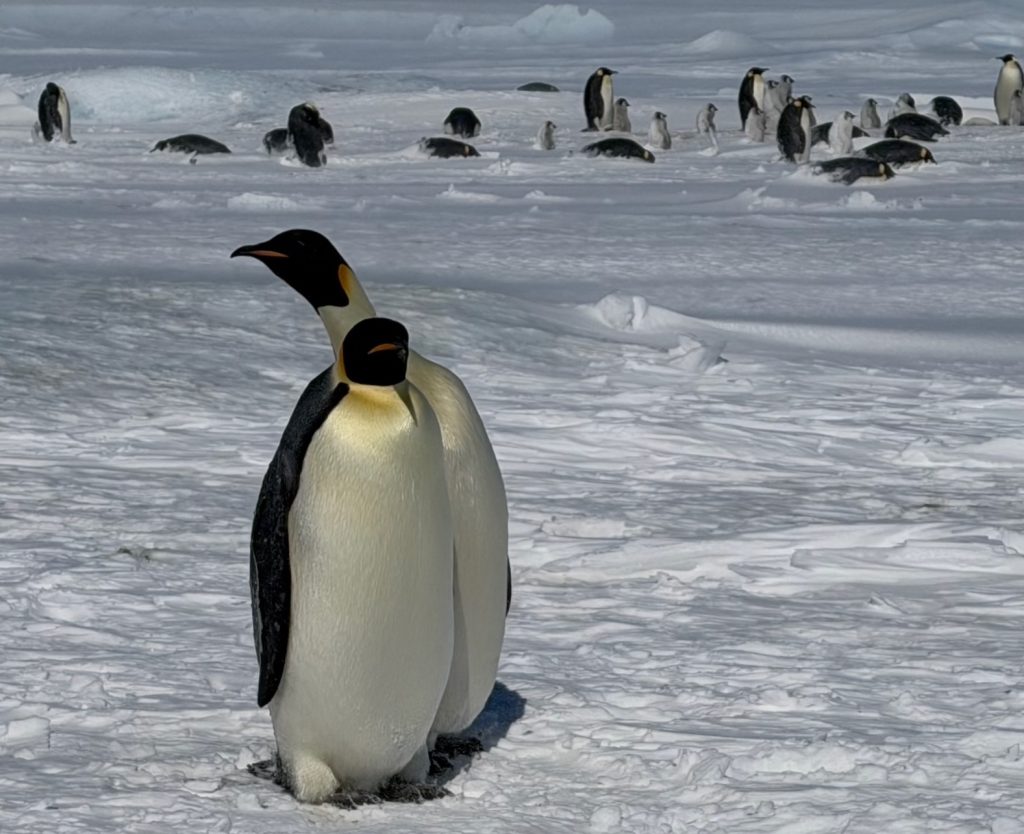
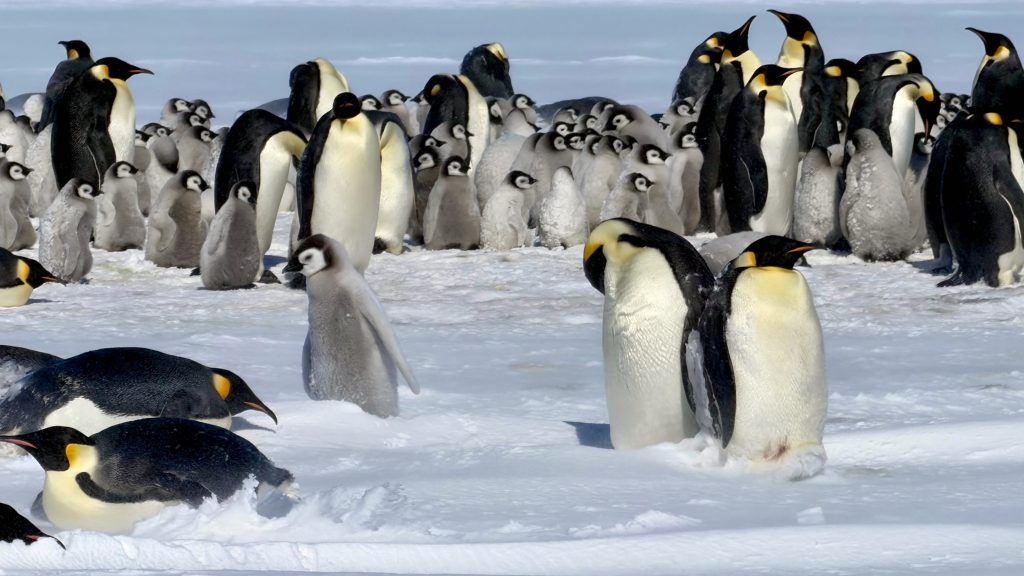

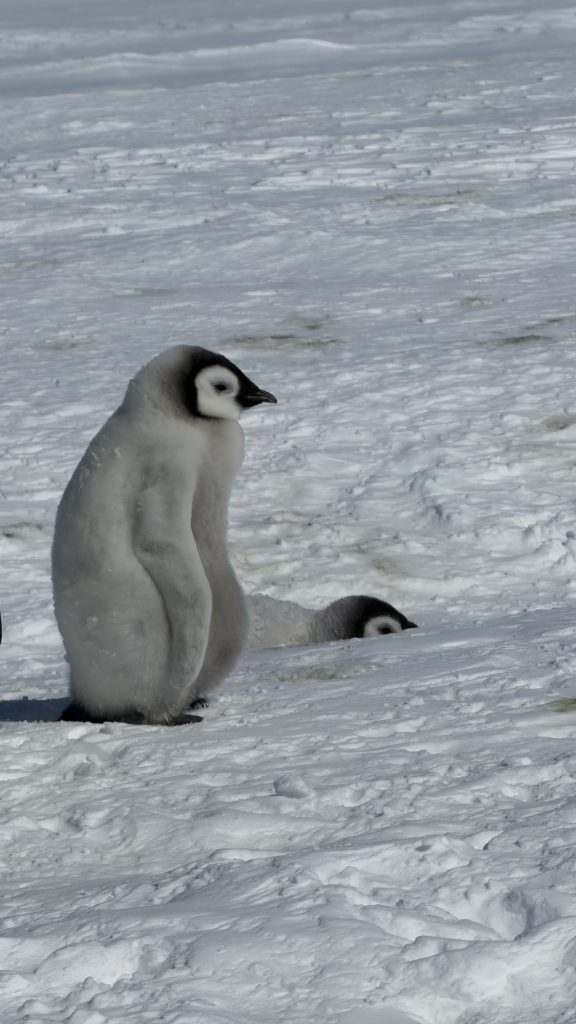
By taking the entire regional quota from these specific bays, industrial fisheries are essentially “vacuuming” the buffet line right in front of nursing mothers and their young.
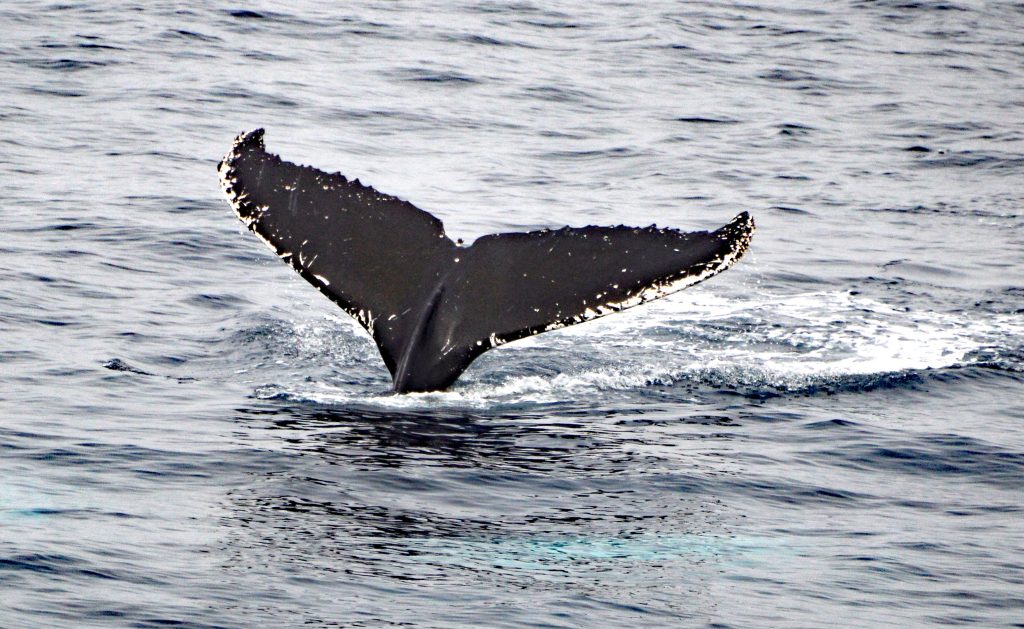
Why does this matter? Because these areas are the exact same biodiversity hotspots where mothers and their young go to feed. We are seeing super-trawlers dropping nets right in the middle of feeding humpback whales. For a breeding penguin, this “localised depletion” means they have to travel much further to find food, often leaving their chicks vulnerable for longer.
Current Status: The 2026 Frontline
The situation in early 2026 is tense. For the first time ever in 2025, the fishery hit its seasonal limit months early, forcing an unprecedented closure. Yet, instead of pulling back, the industry is expanding. China has recently authorised a new 15,000-ton suer-trawler – the largest ever to operate in these waters.
Meanwhile, Sea Shepherd’s vessel, the Allankay, is currently back in the Southern Ocean for Operation Antarctica Defense 2026. They are documenting the direct overlap between industrial fishing and whale pods, providing the “eyes at sea” that the world so desperately needs.

Every Click Counts: Fueling a Greener Future, One Story at a Time. Every small step we take – from reusable bags to conscious consumption – ripples outwards, creating a wave of hope. Let’s rewrite the story of our planet, one click at a time. Join me in making a difference. I believe in the power of storytelling. By sharing inspiring environmental initiatives and practical tips, I aim to amplify the voices making a difference. Imagine a world where everyone is empowered to take action, one small change at a time. Your support is more than just a donation. By clicking the “Donate” button (top right corner), you become a partner in this mission. Your contribution fuels this platform, allowing me to share even more impactful stories and empower a global community.
Is Anything Being Done?
The 2026 reality is ‘Deadlock and Depletion’. The current status of Antarctic protection is, frankly, alarming:
- Political Gridlock: The Commission for the Conservation of Antarctic Marine Living Resources (CCAMLR) remains in a stalemate. Efforts to establish a Marine Protected Area (MPA) in the Antarctic Peninsula have been repeatedly blocked by nations prioritising short-term fishing yields over long-term stability.
- The WWF Intervention: In a major escalation, the WWF recently filed a formal objection against the “sustainable” certification of the krill fishery, calling for an immediate moratorium on fishing in these sensitive areas until new safety rules are established.
- Direct Action: Sea Shepherd’s Operation Antarctica Defense 2026 is currently active in the Southern Ocean. Their crew has documented super-trawlers plowing directly through “mega-pods” of over 200 feeding whales, highlighting a blatant disregard for the wildlife they share these waters with.
How You Can Help
We cannot wait for a unanimous vote in a boardroom to save the Southern Ocean. Change is starting with the consumer:
- Retailer Pressure/Check the Label: Following the lead of Holland & Barrett, European retail giant dm-drogerie markt has officially pulled krill products from its shelves this year. Avoid krill oil supplements. Plant-based omega-3s derived from algae are a fantastic, ocean-friendly alternative (and it’s where the krill get their omega-3 anyway!). Support retailers that choose the ocean over profit.
- Pet Foods: Again, check the label and avoid anything with ‘krill’, krill meal’ or ‘marine meal’ as an ingredient looking for salmon oil, flaxseed or algae oil instead, so your pet still gets its DHA and EPA needed for skin and joint health.
- Sign the Petitions: While some UK government petitions have recently closed, you can stay active with the Sea Shepherd Antarctic Krill Pledge or support the ASOC (Antarctic and Southern Ocean Coalition) in their push for the Domain 1 Marine Protected Area.
The Southern Ocean is a life-support system for our planet. If we allow its foundation – the krill – to be decimated, the collapse will be felt far beyond the ice. The whales and penguins can’t speak for themselves at the negotiating table in Hobart. It’s up to us to be their voice.
References:
- Sea Shepherd Global (2026). dm, Europe’s Largest Drugstore Retailer, Drops All Krill Products.
- Sea Shepherd (2026). Operation Antarctica Defense 2026: Documenting the Overlap.
- WWF-UK (2026). Mismanagement of Antarctic krill fishery putting whales at risk.
- Sea Shepherd Global (2026). Retailers Put on Notice as WWF Challenges Krill ‘Sustainability’ Claim.
- The Guardian (2026). Expansion of the Krill Fleet: China’s New Super-Trawler.
- ASOC (2026). CCAMLR Deadlock: The Case for Domain 1 MPA.