

Have you ever noticed a strange gap between what we know about what needs to be done to preserve our planet and how we actually live our daily lives?
It’s a psychological puzzle. As humans, we can be deeply moved by the plight of the environment, yet completely blind to how our own small, daily choices contribute to the bigger picture when in fact individuals can have such a positive impact.
Take a recent evening with a good friend of ours. We sat down together and watched Oceans, a powerful David Attenborough documentary. He was genuinely aghast at the devastation commercial trawling causes to the ocean floor and the impact it has on accelerating global temperatures. He was particularly shocked by the scallop trawling industry right here in the seas around the UK. There was absolutely no doubt in his mind that “something” needed to be done.
Fast forward a few hours. We went out to dinner, and what did he order? Scallops and sea bass.
He didn’t ask if the scallops were hand-dived. He didn’t check if the restaurant sourced its fish sustainably. In fact, he actively encouraged everyone else at the table to order them, too! He was entirely unable to connect his personal behaviour in the restaurant to the devastation he had just witnessed on screen. In one moment he was outraged and the next moment a participant.
Why does that happen?
The Cost of Disconnection: A Lesson from the Ice
To see the real-world consequences of this disconnect, we only have to look to one of the most remote regions of our world: Antarctica.
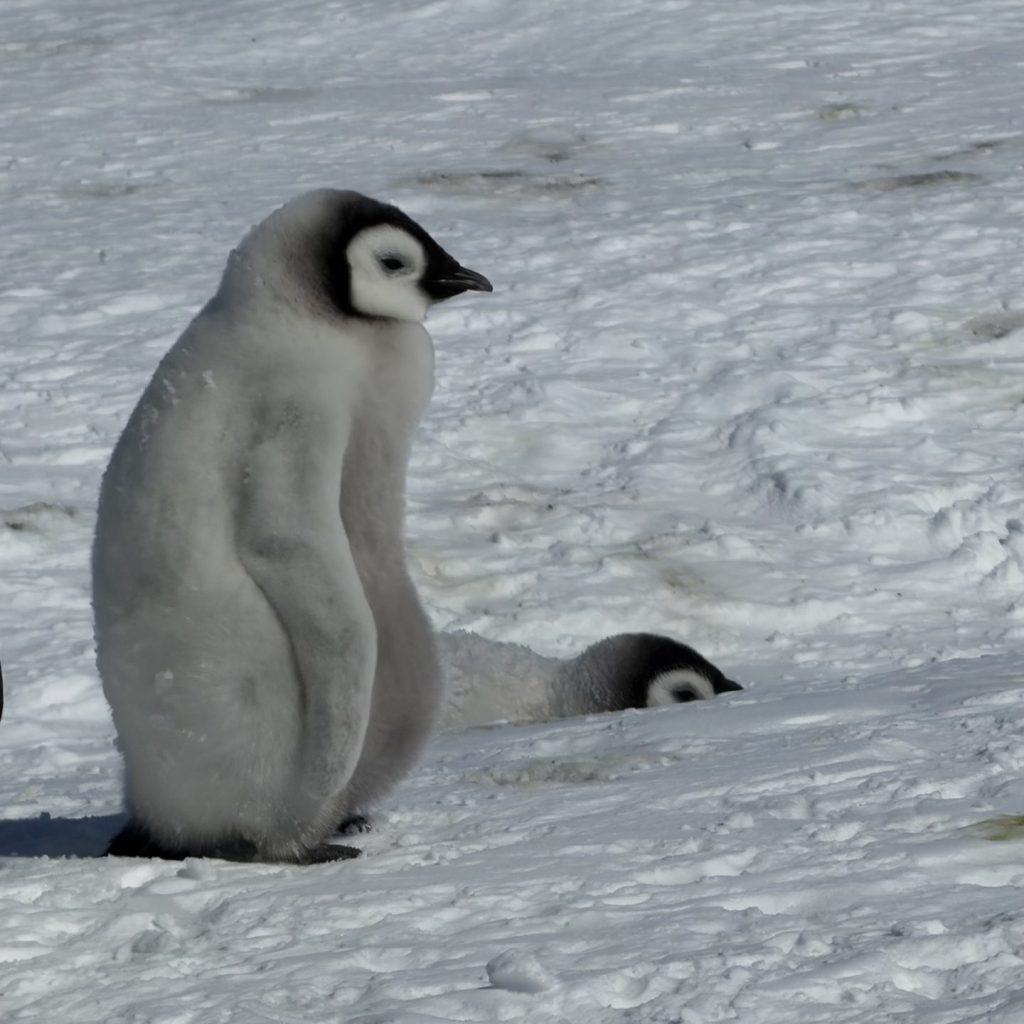
When Emperor Penguins come ashore to breed at the beginning of the Antarctic winter, they find themselves in a land virtually free of predators. Because of this, they are incredibly trusting. If you ever have the profound privilege of visiting a colony like Snow Hill, you’ll see how unafraid they are. They will literally waddle right up to you just to investigate who you are.
They put their trust in us as a species – and yet, we are the ones acutely threatening their survival.
As we accelerate the warming of the planet, the sea ice they rely on is melting prematurely. When the ice breaks up too early, it spells disaster for the colony. The adorable, fluffy chicks cannot swim; if they end up in the water before their downy coat is replaced by waterproof juvenile feathers, they drown.
The same threat faces the adults. After the breeding season, they head to the ice for their annual moult. If the ice shelf they’ve chosen melts before their new waterproof feathers are ready, they are left completely vulnerable.

MY SUSTAINABILITY DEFINITION: MEETING TODAY’S NEEDS WITHOUT RUINING TOMORROW. Support the Stories: I truly believe that sharing these stories helps keep us all connected and inspired to do better by our planet. If you enjoy reading my articles and want to help keep this platform running, please consider clicking the “Sponsor My Writing” button in the top right corner. As a little extra thank you, anyone based in the UK who sponsors £10 or more will get a penguin coaster or two sent right to their door! Your support means the world and directly fuels the next article.
Passing the Buck to the Government
So often after a climate presentation or reading a climate report, I hear people say, “Have you told the government about that? They need to do something.” It is almost as if it’s someone else’s problem. Yes, governments absolutely have a responsibility to mandate action. (Whether they will actually sacrifice their political ambitions for the sake of the planet and our wildlife is a whole different story).
But what about us?
We cannot simply pass the buck. We have to bridge the “environmental responsibility disconnect” within ourselves. Hopefully, by sharing stories, reading articles and posts on the various social media channels and/or informed quality press and keeping these conversations alive, we can start to see that our individual choices matter. There are so many examples of the differences that individuals and small teams are making already – just take a look through my articles on this website and you will find many ‘sustainability hero’ examples.
But back to each of us – if saving the whole world feels too overwhelming, try focusing on just one thing, or even just one species.
Small Steps: How to Reconnect Your Actions Today
If you want to start aligning your daily habits with your love for the planet, here are a few simple tips and ideas to get started:
- Be an Inquisitive Diner: When eating out, don’t be afraid to ask the staff about the menu. Ask if the seafood is sustainably sourced or if the scallops are hand-dived rather than trawled.
- Vote with Your Wallet: Restaurants and supermarkets supply what consumers demand. By choosing sustainable options, you actively force the supply chain to change. A prime example is Antarctic krill – check your supplements and pet foods, choose a brand without krill, reducing the demand and send that message.
- Focus on One Species: Pick an animal you love – whether it’s the Emperor Penguin or the British bumblebee – and research the top three things threatening its habitat. Adjust your habits specifically to help that one species.
- Audit Your Daily Routine: Pick one room in your house, like the kitchen or bathroom and look for one single-use plastic item you can swap out for a sustainable alternative this week.
- Ditch the Trigger Words: When chatting with friends or family, avoid the phrase “climate change” altogether – for many people, it instantly triggers political defences or feelings of being overwhelmed. Instead, shift the focus to local, human-scale concepts. Talk about “protecting wildlife habitats,” “preserving our oceans,” “reducing waste,” or “leaving things better for our kids.” It keeps the conversation grounded and collaborative rather than combative.
What about you? Have you ever caught yourself in an “environmental responsibility disconnect”? What small changes have you made to bridge the gap?