

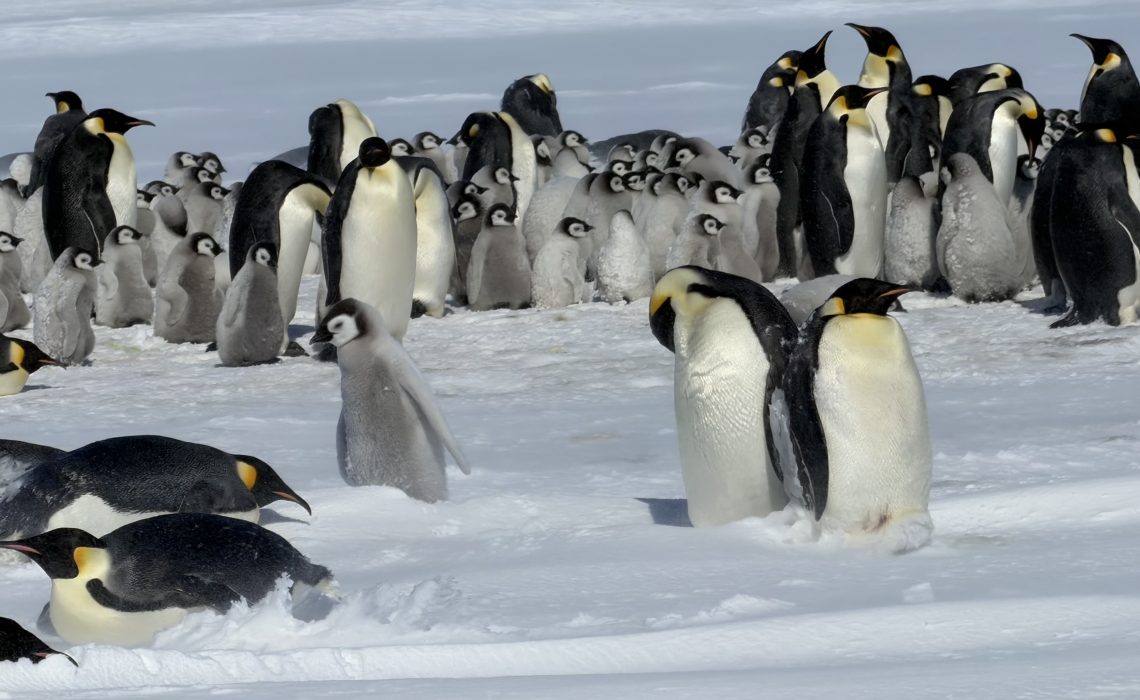
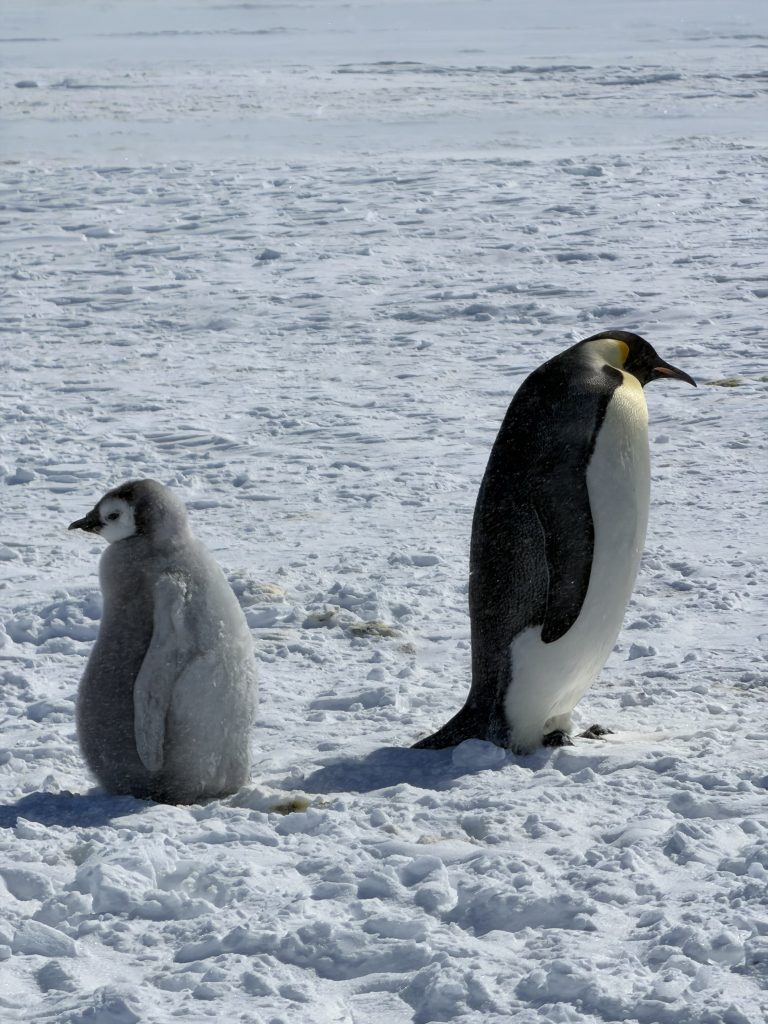
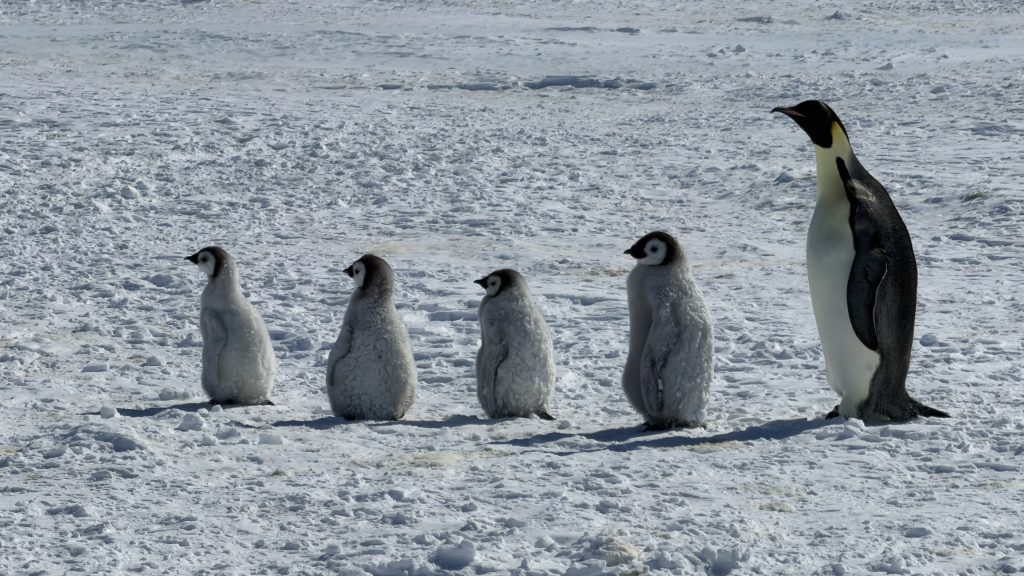
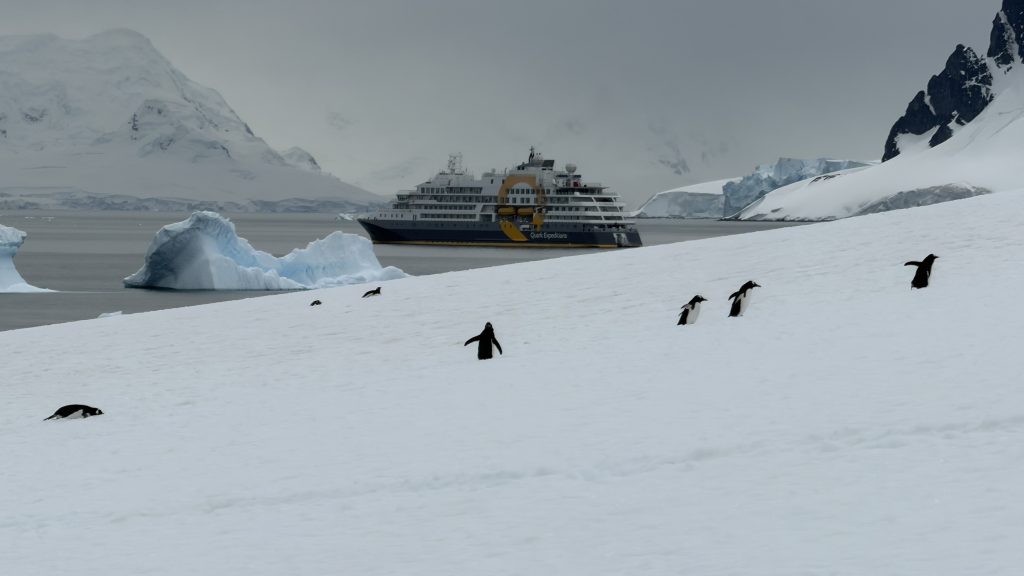
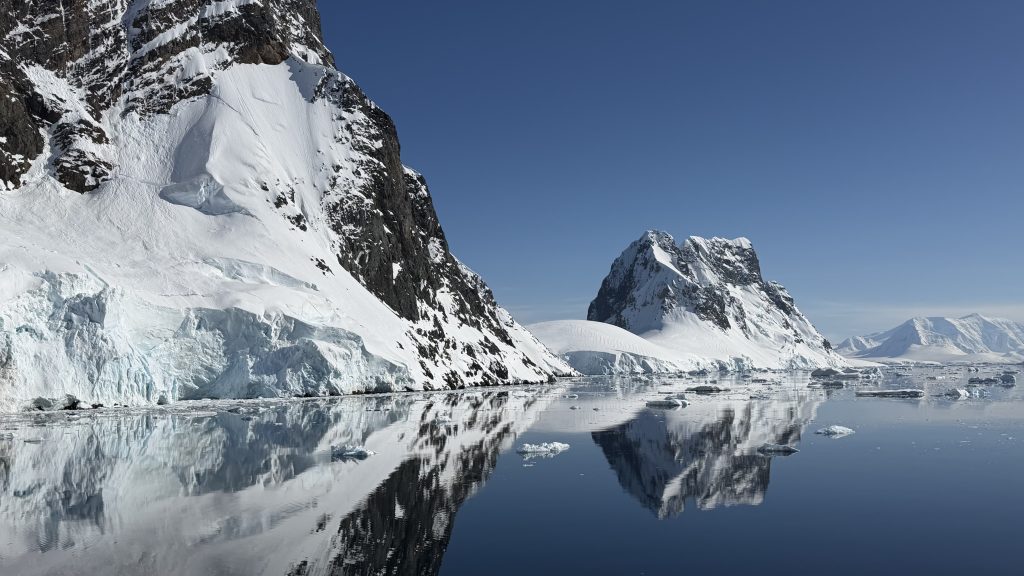
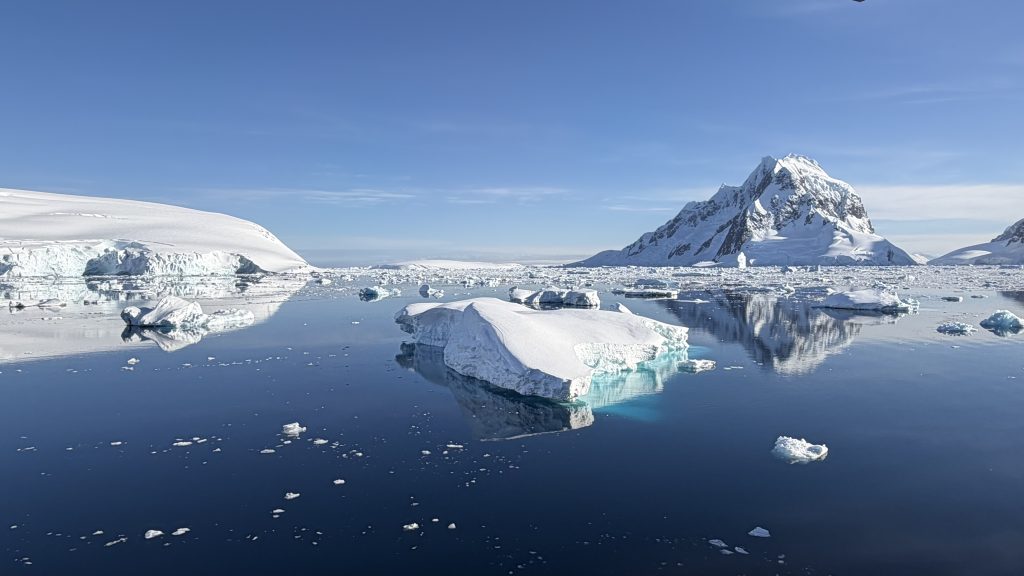
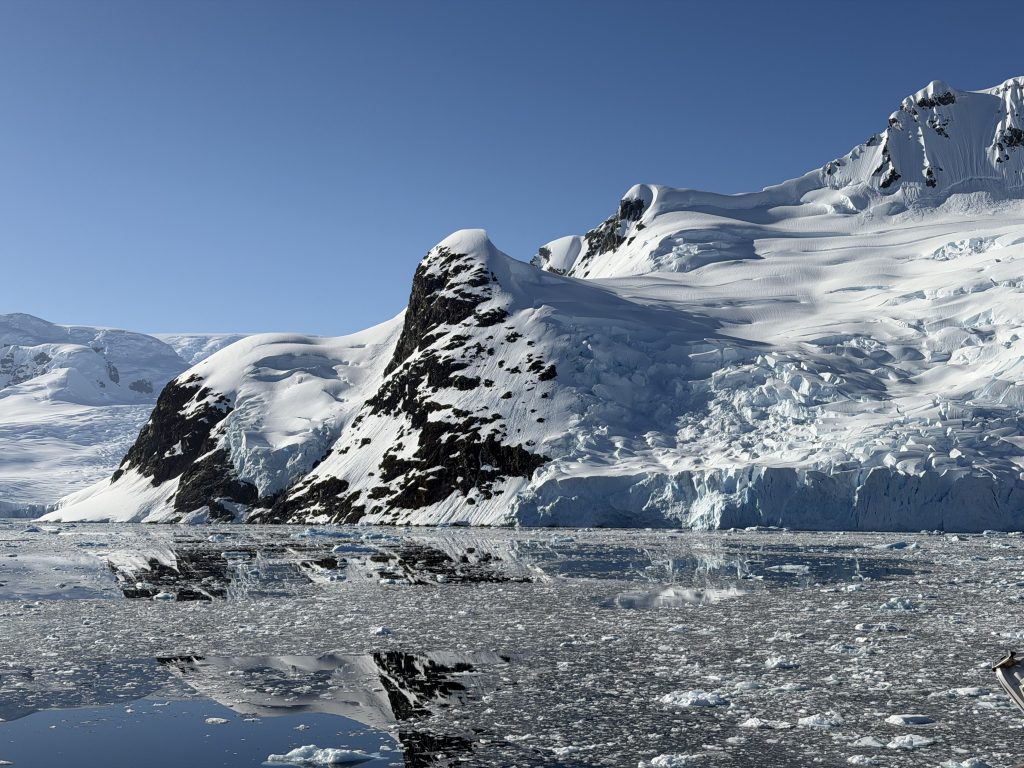
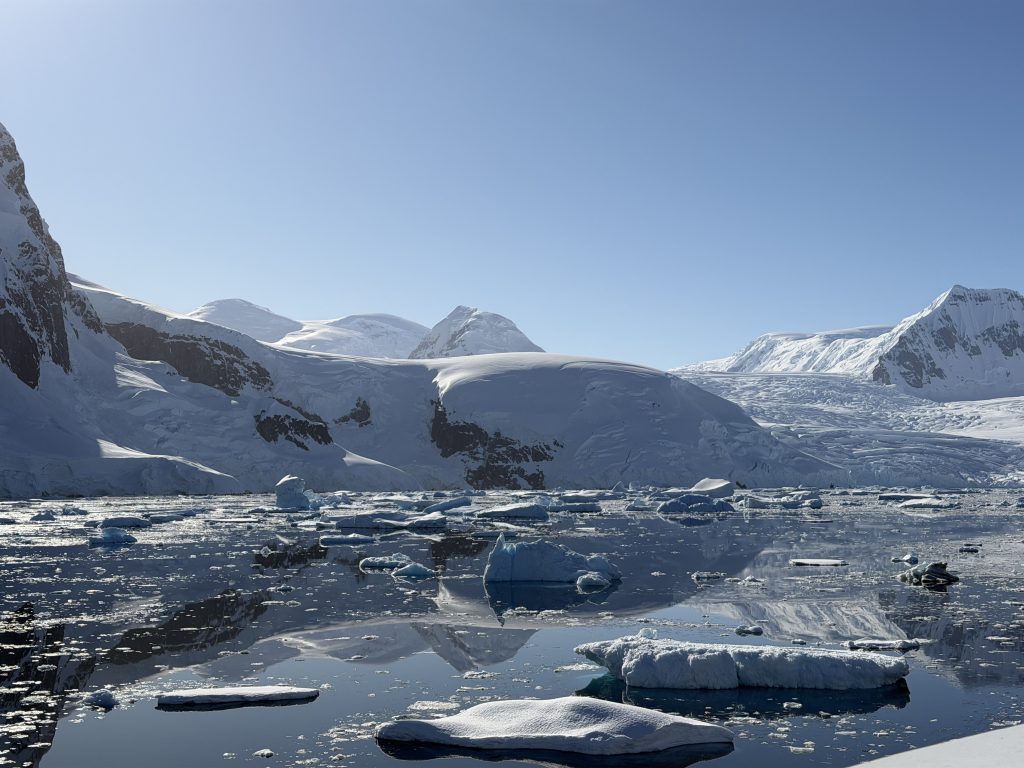
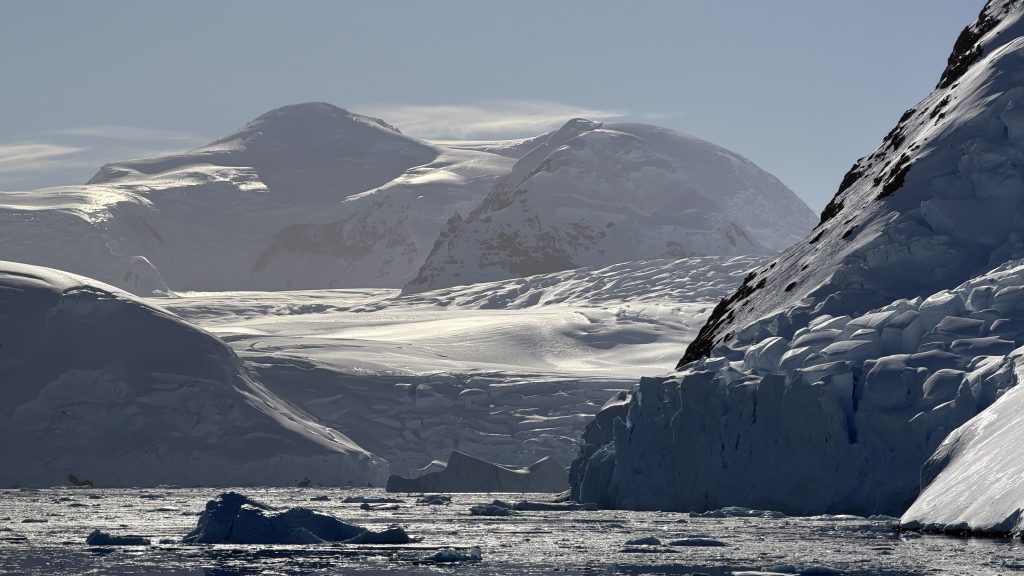
How do you describe a place that feels like the very edge of the world? Antarctica is a vast, frozen wilderness – a land that has famously claimed the lives of explorers who dared to challenge its silence. But step off a Quark Expeditions vessel at Snow Hill, as I recently did, and you’ll realise that “barren” is the last word you’d use.
Watching the stoic Emperor penguins against the sheer white horizon, you realise this place isn’t just surviving, it is teeming with life. Yet, this fragile splendour is under siege. We often think of the threats to Antarctica as distant, monolithic forces – global warming, industrial overfishing and historical whaling – that only governments can solve.
But after walking among the colonies, the truth becomes clear: The fate of the ice isn’t just in the halls of parliament; it’s in your shopping basket.
The Power of the “Wallet Vote”
We often wait for legislation to save the planet, but history tells a different story. Commercial whaling didn’t end in the mid-20th century solely because of a sudden moral awakening in government; it ended because it ceased to be financially viable. When we stop buying, they stop harvesting.
Nature has a miraculous ability to heal if we simply get out of the way. Look at South Georgia Island: after a massive rat eradication project, the indigenous birdlife didn’t just return; it thrived.
Sustainability, at its core, is about removing human interference.
Here is how you can take the lead:
1. The Krill Commandment
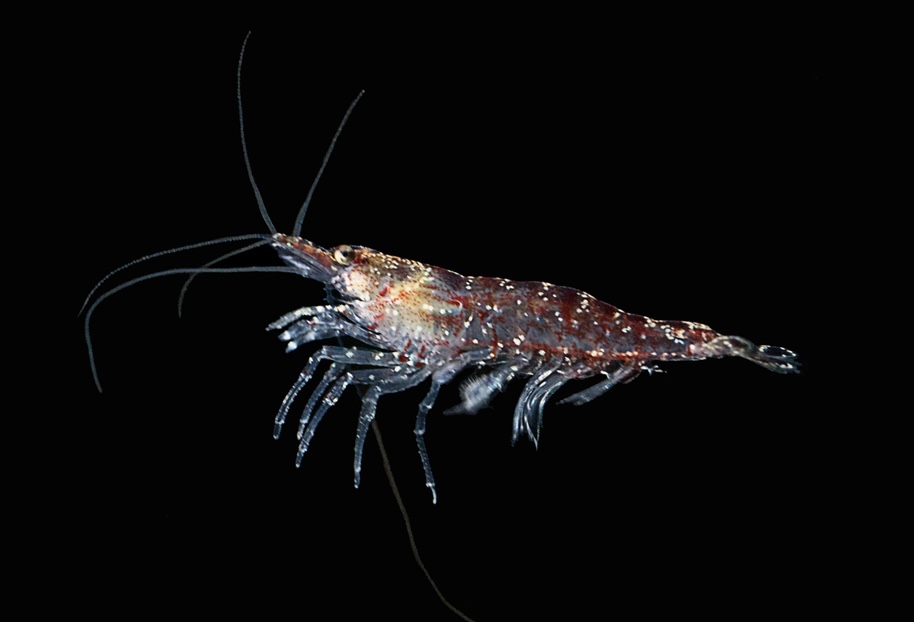
Antarctic krill are the tiny, translucent heartbeat of the Southern Ocean. They are the primary food source for the very Emperor penguins and whales I traveled so far to see. Yet, krill are being vacuumed out of the ocean for supplements and pet food.
- Action: Stop buying anything containing krill. This includes Omega-3 “Krill Oil” supplements and certain luxury pet foods.
- The Alternative: Switch to Algae-based Omega-3. It’s where the krill get their nutrients from anyway – you’re just cutting out the middleman and leaving the food for the whales.
- Success Story: Holland & Barrett has already pledged to phase out krill products by 2026. Let’s reward that move with our custom.
2. Radical Transparency: Choose B-Corps
When you need to make a purchase, look for the B-Corp certification. These businesses are legally required to consider their impact on the planet as much as their profit.
Even the whiskey industry is shifting. In Scotland, distilleries are moving away from traditional peat-burning (which releases massive amounts of carbon) and toward hydrogen power and water conservation. Why? Because they know if the environment fails, their ingredients vanish. Support the innovators, not the polluters.
3. Mind Your Carbon “Foodprint”
Antarctica’s greatest threat is the melting of the ice shelves due to rising temperatures. One of the most effective individual actions you can take is to reduce your consumption of industrially produced red meat.
The livestock industry is a primary driver of methane emissions and deforestation. By even slightly shifting your diet toward plant-based meals, you are directly reducing the thermal pressure on the Antarctic ice cap. It is the most immediate way to “cool” the planet from your kitchen.


Fuelling a Greener Future, One Story at a Time. Every small step we take – from reusable bags to conscious consumption – ripples outwards, creating a wave of hope. Let’s rewrite the story of our planet, one click at a time. I believe in the power of storytelling. By sharing inspiring environmental initiatives, unsung sustainability heroes and practical tips, I aim to amplify the voices making a difference. Imagine a world where everyone is empowered to take action, one small change at a time. ‘Buy Me A Coffee’ donation is a quick and easy way to offer a small, one-off donation, that helps keep this platform running and allows me to continue sharing these vital stories. Just click the “Donate” button (top right corner). Every contribution, no matter the size, makes a difference. Thank you for being a part of this journey.
4. Become a Biosecurity Guardian
The story of Tierra Del Fuego is a haunting cautionary tale, and one our guide related on our short visit following the Antarctic expedition. Beavers were introduced for fur in the 1940’s; they grew thin coats in the warmer climate and proceeded to destroy slow-growing ancient forests. European rabbits, just two pairs, arrived in the Chilean sector in 1936. With around 30 million by 1953, hunting, trapping and poisoning aimed to decimate then, along with the introduction of grey foxes to “fix” it, which then wiped out the native species along with penguin chicks. A cautionary tale of ecological disruption!
We must be vigilant about invasive species. On an individual level, this means:
- Always cleaning your gear (boots, velcro, pockets) before traveling to pristine environments.
- Never releasing non-native pets or plants into the wild.
- Supporting local rewilding projects that aim to restore native balance.

Can You Really Do Anything?
When I stood on the ice at Snow Hill, the scale of the continent felt overwhelming. It is easy to feel small. But every time you reach for an algae supplement instead of krill oil, or choose a B-Corp jacket over a fast-fashion alternative, you are sending a signal through the global economy.
Antarctica doesn’t need us to “fix” it. It just needs us to stop breaking it.