

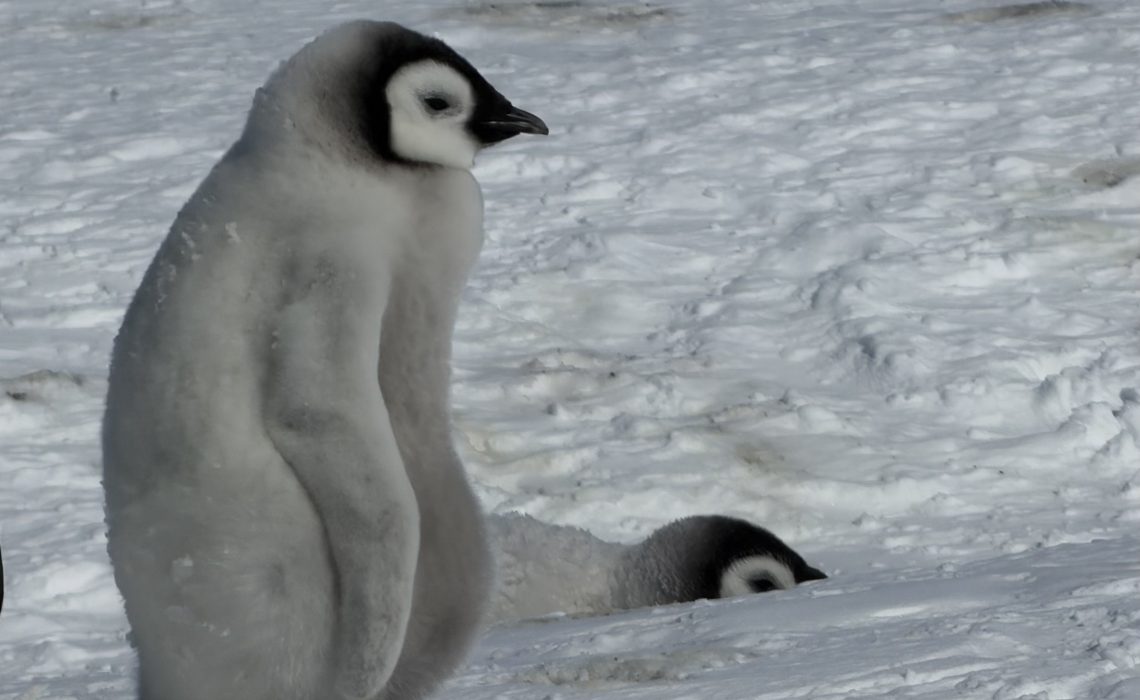
As the final days of 2025 drew to a close, I found myself looking back on a year that has been as challenging as it has been illuminating. Through the lens of this blog, we have explored everything from the quiet biodiversity of our own gardens in Dove Park to the staggering, icy majesty of the Antarctic Southern Ocean.
While the tone of environmental news can often tilt toward the “doom and gloom,” my journey this year – both through research and my own travels – has reinforced a singular truth: sustainability is not a static goal, but a series of deliberate, conscious choices.
A Year of Connection: From the Shopping Aisle to the Ice
Earlier this year, we discussed how the “Pulse of the Planet” is felt even in our local supermarkets. We often view the threats to Antarctica as monolithic forces – global warming or industrial overfishing – that exist far beyond our reach. Yet, as we discovered in December, the simple act of choosing sustainable krill-oil alternatives or supporting retailers that prioritise marine-safe supply chains creates a ripple effect that reaches the Antarctic Peninsula.
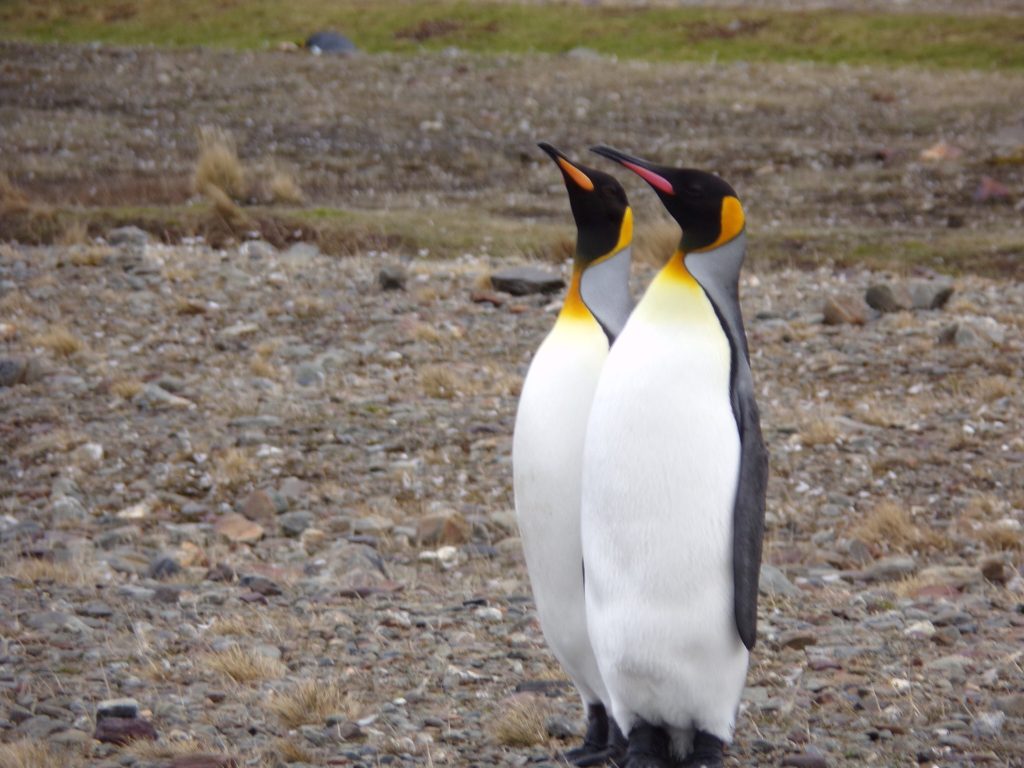
In December, I shared my experiences aboard the Ultramarine during November. It was a stark reminder that even as we seek to witness the world’s most fragile ecosystems, we must do so with a footprint that is as light as possible. The shift toward “eco-pioneering” in travel isn’t just a luxury; it’s a necessity if we want these regions to remain for the next generation of “penguin pals.”
The Stark Reality of the Antarctic and South Georgia
However, we cannot ignore the sobering data that emerged this year. The British Antarctic Survey reported a 22% decline in Emperor penguin populations in key sectors over the last 15 years. This highlights a “cumulative impact” where it isn’t just one storm or one heatwave, but the relentless combination of disappearing sea ice and shifting food sources that puts these iconic birds at risk.
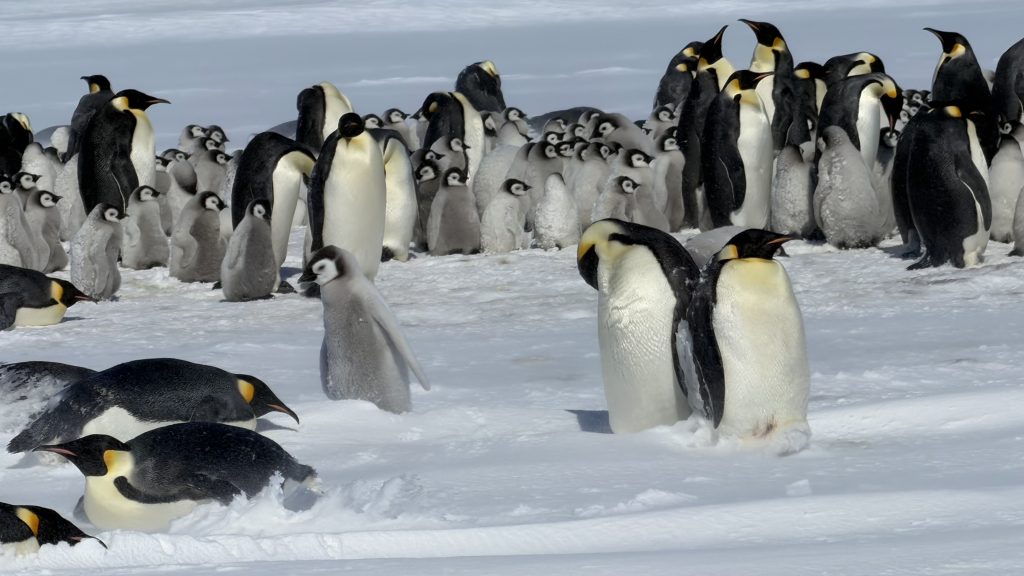
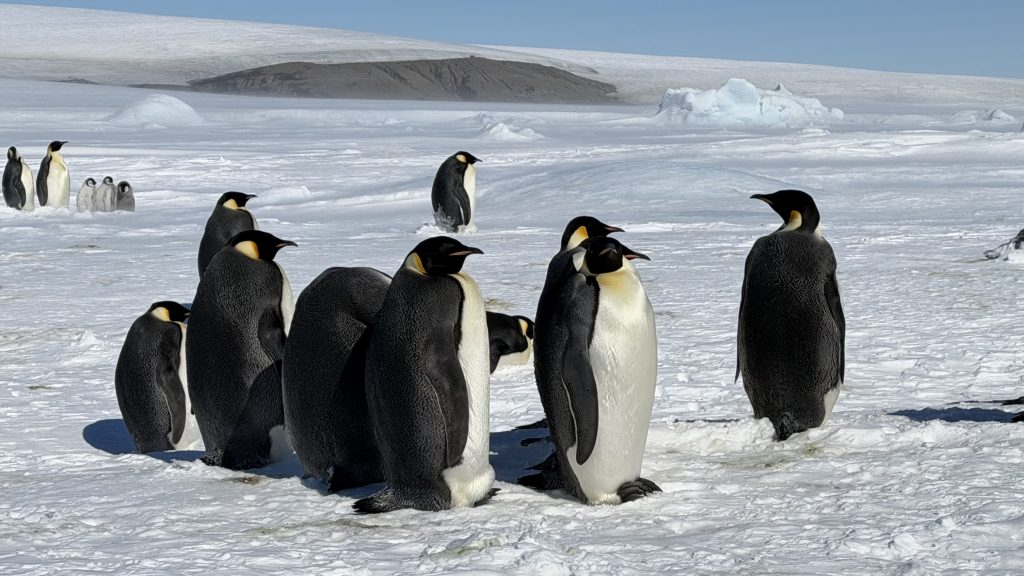
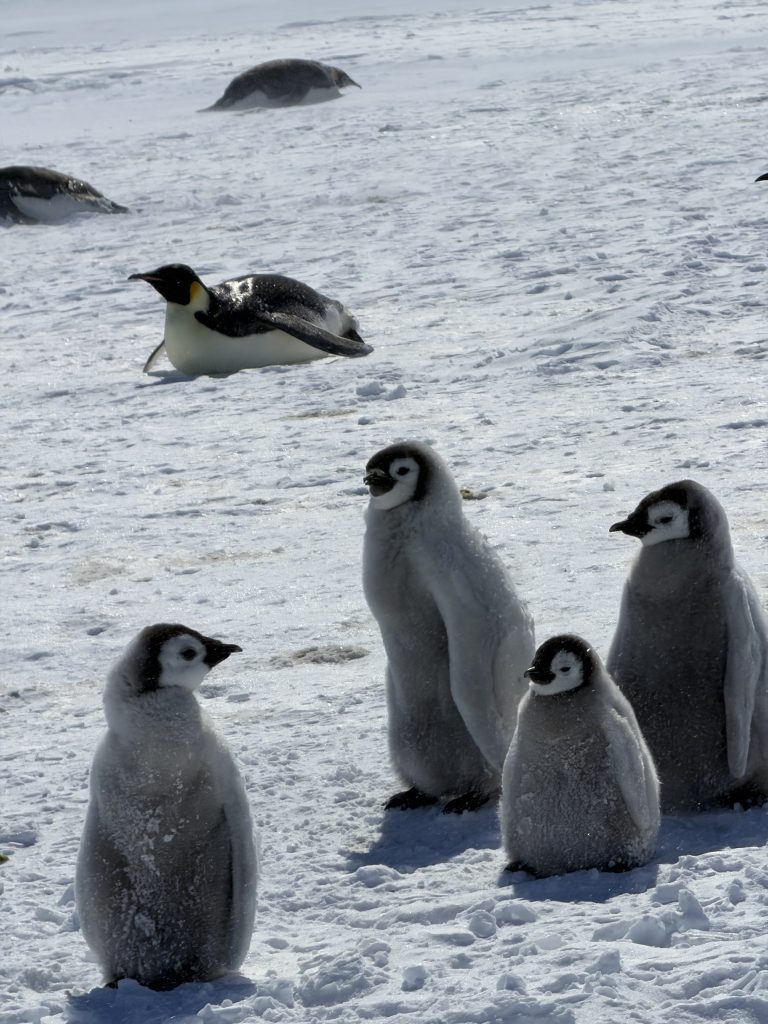
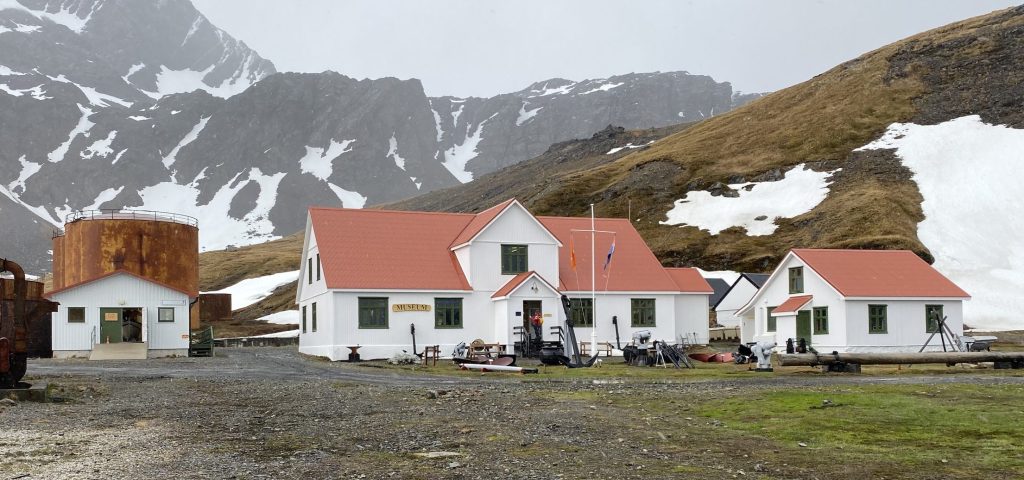
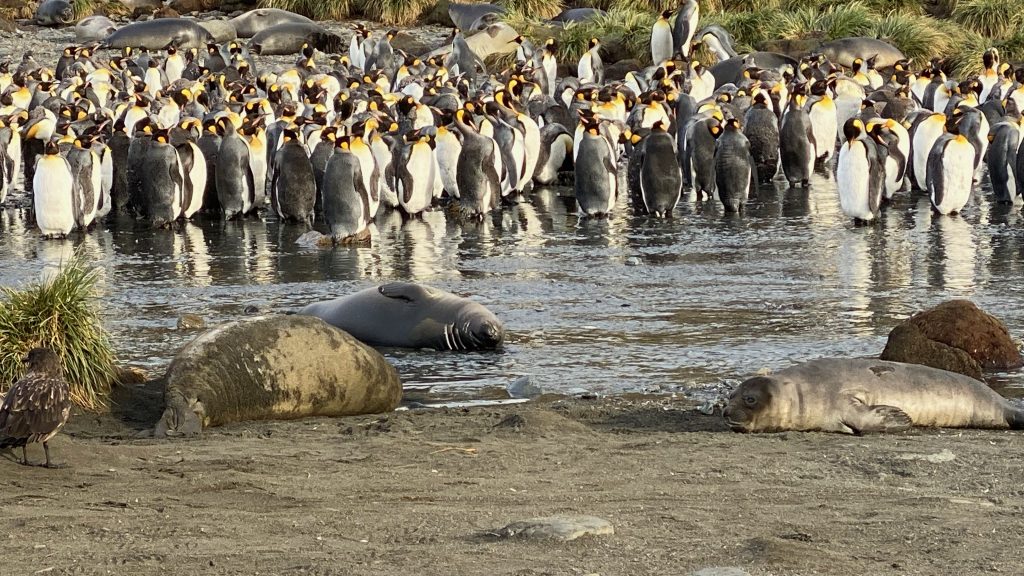
On South Georgia Island, the story is one of complex recovery. While we celebrated the island’s status as a “Goldilocks zone” for biodiversity, the confirmation of avian influenza in certain colonies earlier in the year served as a reminder of how vulnerable these isolated populations are to global shifts.
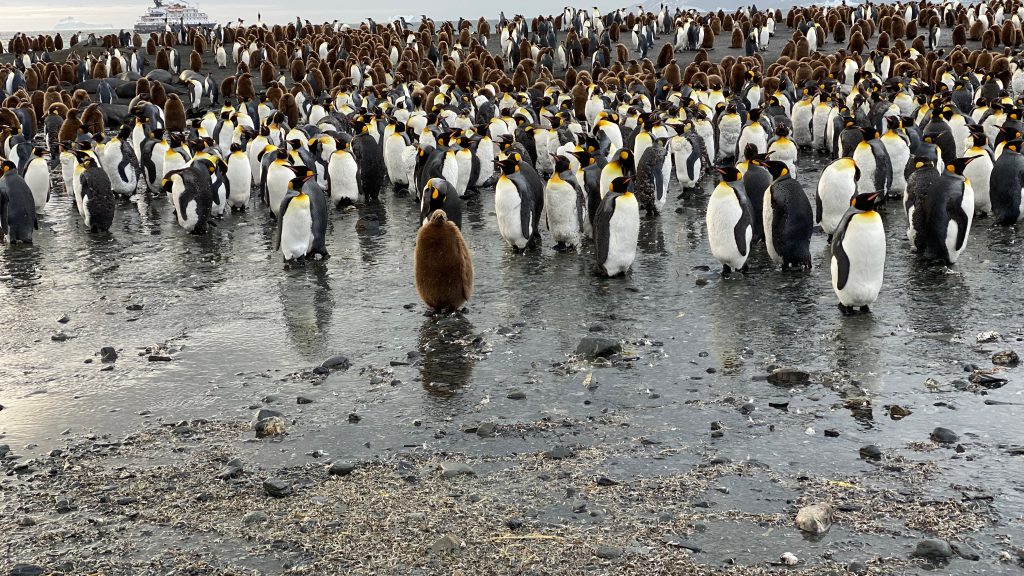
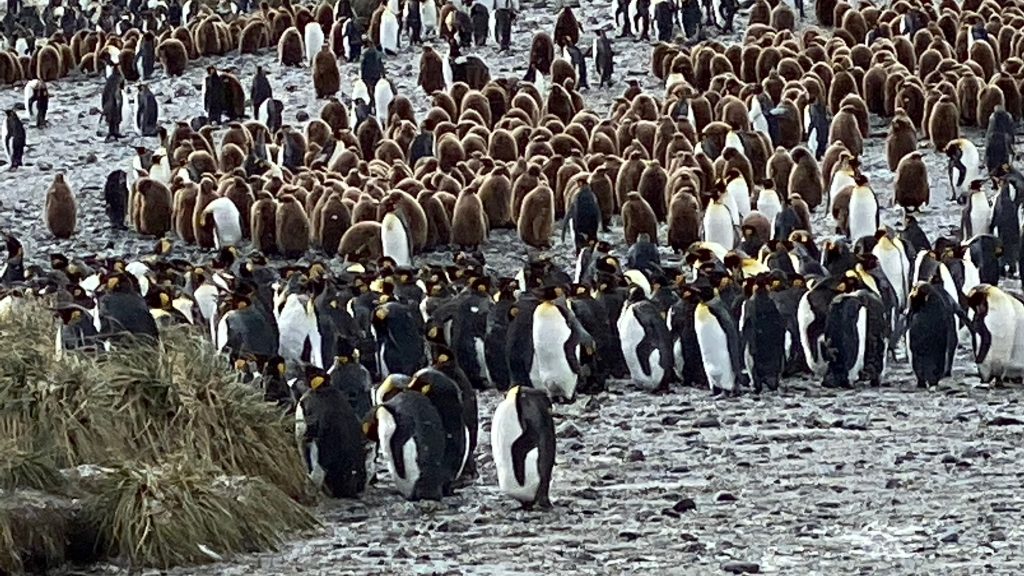
Signs of Hope: Positive Actions in 2025
Despite these challenges, 2025 brought several landmark victories that deserve our attention and celebrate the power of policy and science:
- The High Seas Treaty: A monumental win for the “blue heart” of our planet. Morocco became the 60th nation to ratify the treaty this September, meaning that by early 2026, we will finally have a legal framework to protect biodiversity in international waters – areas that were previously a “wild west” of regulation.
- The Expansion of the SGSSI MPA: The Marine Protected Area around South Georgia and the South Sandwich Islands was further enhanced this year. It now covers 1.24 million km2, with “No Take Zones” expanded to protect critical feeding grounds for humpback whales and fur seals.
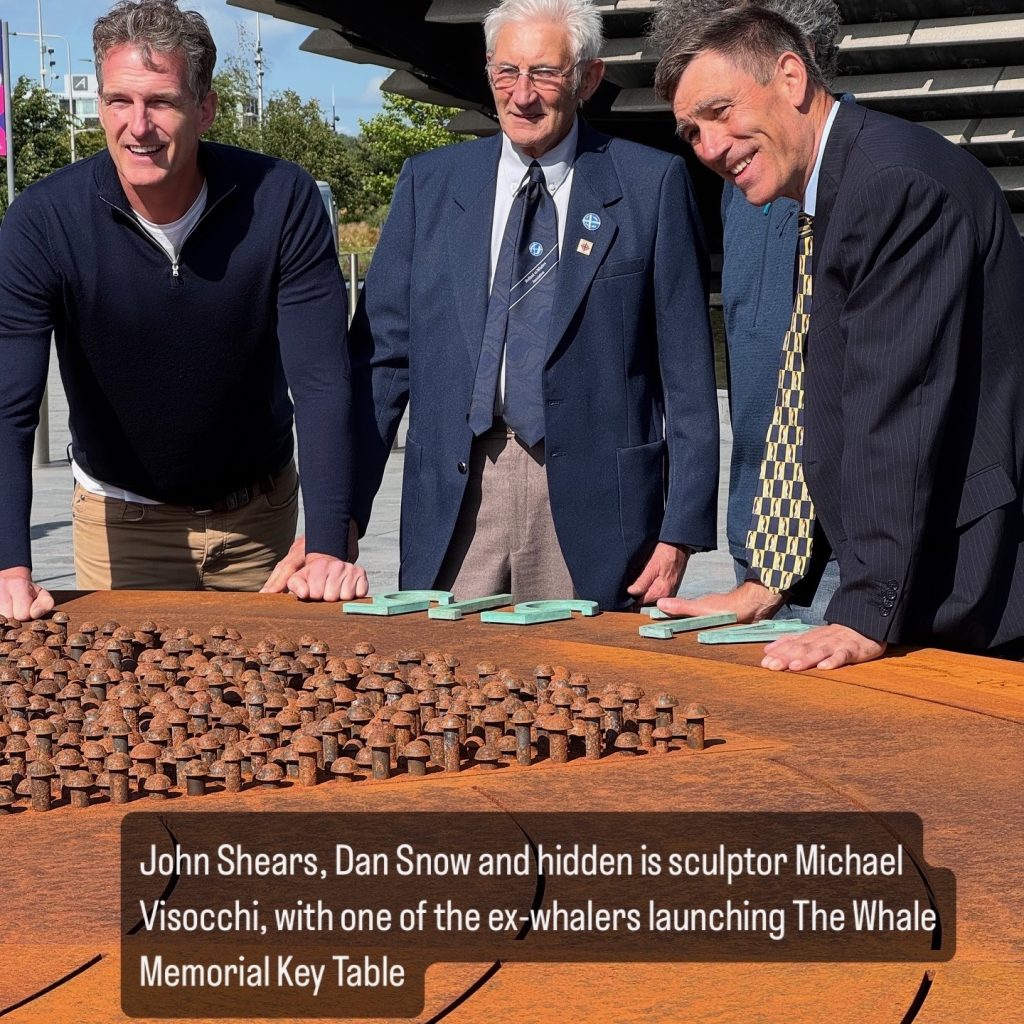
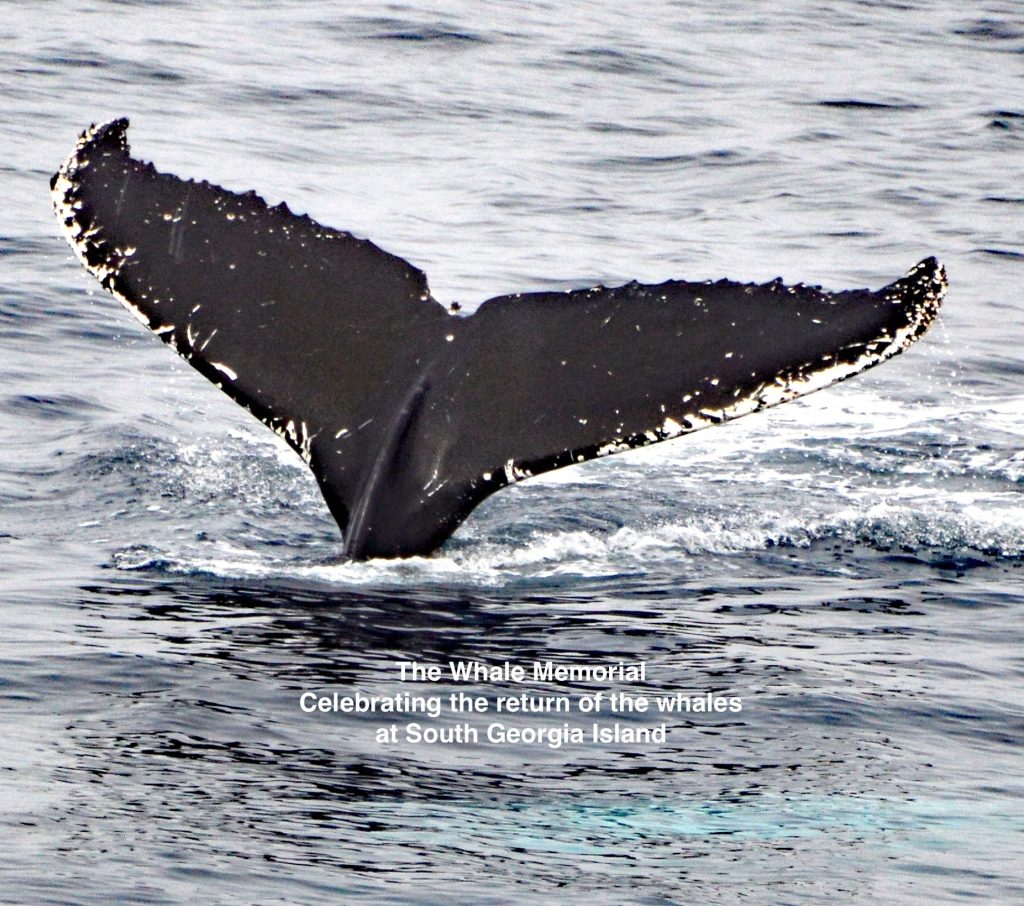
- The “Whale Memorial” at South Georgia: In November, a new artwork was unveiled on the island, signaling a profound cultural shift from South Georgia’s history of whaling to a future of stewardship and conservation. Click here to for more.
- Renewables Overtaking Coal: On a global scale, 2025 marked the first time that renewable energy generated more electricity than coal. This is the systemic shift we have been waiting for, proving that the transition away from fossil fuels is not just possible, but underway.
Looking Forward
If 2025 has taught me anything, it is that nature is incredibly resilient when given the space to breathe. Whether it is the Adélie penguins in Pointe Géologie whose numbers have shown localised increases due to targeted monitoring, or the way a small garden pond in a UK suburb can sustain a local bee population, the “Nature in Balance” we seek is within our power to protect.
Sustainability is a serious endeavor. It requires us to be critical consumers, responsible travelers, and vocal advocates. As we move into 2026, let’s carry the lessons of the South with us – remembering that the ice may be far away, but its future is written in the choices we make today.
Drawing from the themes we’ve explored here throughout 2025 – from our Transition Streets workshops in Dove Park to the deck of the Ultramarine – here is a curated list of “small habit” changes for 2026.
These aren’t just resolutions; they are practical ways to maintain the “Nature in Balance” we strive for, ensuring our local actions support global treasures like South Georgia and our “penguin pals.”
1. The “Shopping Aisle” Audit
As we discussed in December, the Antarctic ecosystem relies heavily on krill. In 2026, make it a habit to:
- Check the Label: If you use Omega-3 or krill oil supplements, ensure they are MSC (Marine Stewardship Council) certified. Better yet, explore plant-based algae oil alternatives that leave the krill in the ocean for the whales and penguins.
- Refill over Replace: Following our success with the BioD Rosemary & Thyme hand wash, commit to one “bulk buy” habit. Buying 5-litre containers for household cleaning reduces plastic transport emissions – a direct win for reducing the carbon that warms the Southern Ocean.
2. Radical Food Waste Reduction
Our Zero Waste Week in September highlighted that household waste is a major carbon driver.
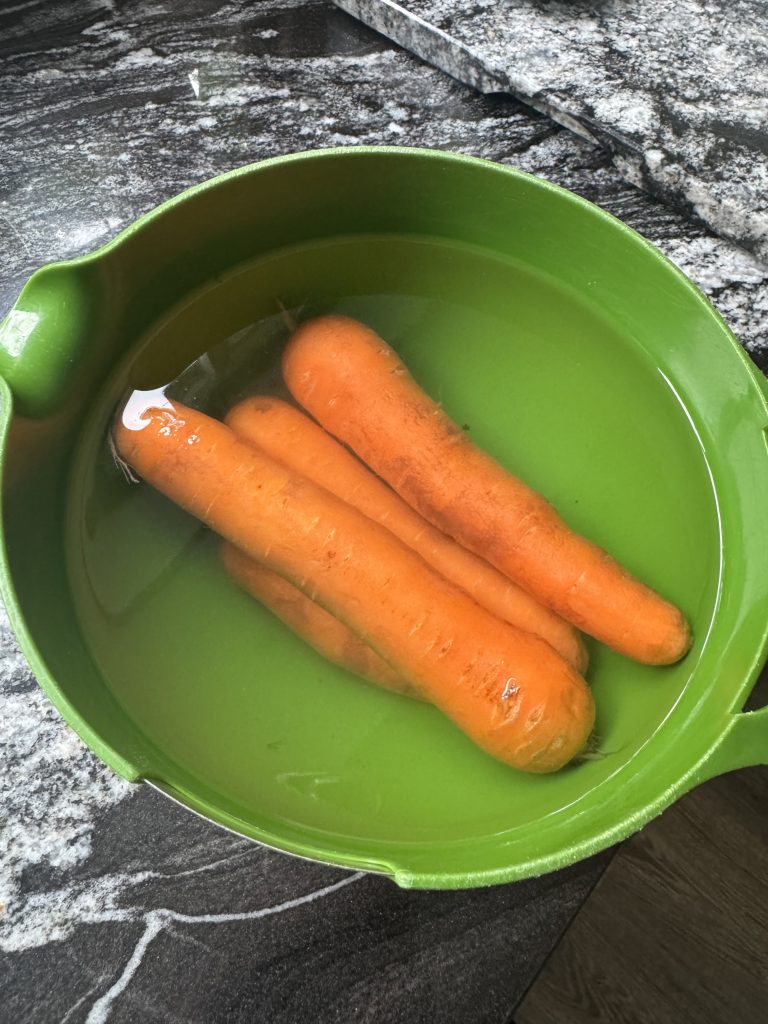
- The “Sad Lettuce” Strategy: Use the tricks we shared to revive wilting greens and carrots in ice water or donate vegetable trimmings to local chickens (if you’re lucky enough to have neighbours like mine in Dove Park!).
- Freeze with Purpose: Transition to collapsible silicone containers for leftovers. They save space and prevent the “out of sight, out of mind” food rot that often happens at the back of the fridge.
- Leftovers Night: A great invention and a new habit for 2026! Keep your leftovers from meals in the week and designate one night as ‘leftovers’ night. It really doesn’t matter if you eat different meals from each other or serve the leftovers with a ‘tapas’ mentality – lots of tasty dishes, all different and shared.
3. Cultivating Local Biodiversity
Our July session on gardens proved that you don’t need a sprawling estate to make a difference.
- The “Thirsty Bee” Station: Even a small pebble-filled saucer of water on a balcony provides a vital drink for pollinators.
- Seed Secrets: Attend a local workshop (like those at Ricky Community Garden) to learn about native planting. Local biodiversity creates a resilient environment that helps offset the broader global decline in species.
4. Mindful Consumption & The “Circular” Habit
2025 was the year of the “Transition Streets” mindset – sharing instead of owning.
- Borrow Before Buying: Before heading to the shops for a one-off DIY tool or garden gadget, check your local community group or “library of things.”
- Second Life for Everything: Whether it’s an unwanted musical instrument or a pre-loved coat, prioritize “circular” options. Reducing the demand for “new” is one of the most effective ways to lower your personal carbon footprint.
5. Sustainable Travel Advocacy
If you are planning a trip to either of our poles or sensitive ecological places in 2026, be an “Eco-Pioneer”:
- The “Penguin Pal” Protocol: If visiting sensitive areas, strictly follow biosecurity protocols to prevent the spread of diseases like avian flu, which we saw affect South Georgia this year.
- Choose the “X-Bow”: If booking a cruise, look for vessels with advanced technology (like the Ultramarine or the Greg Mortimer) that use dynamic positioning to protect the seabed and have high-efficiency hulls to reduce fuel burn.

Every Click Counts: Fueling a Greener Future, One Story at a Time. Our planet whispers a plea for change, every day. Every small step we take – from reusable bags to conscious consumption – ripples outwards, creating a wave of hope. Let’s rewrite the story of our planet, one click at a time. Join me in making a difference. I believe in the power of storytelling. By sharing inspiring environmental initiatives and practical tips, I aim to amplify the voices making a difference. Imagine a world where everyone is empowered to take action, one small change at a time. Together, we can create that reality. Your support is more than just a donation. By clicking the “Donate” button (top right corner), you become a partner in this mission. Your contribution fuels this platform, allowing me to share even more impactful stories and empower a global community.