

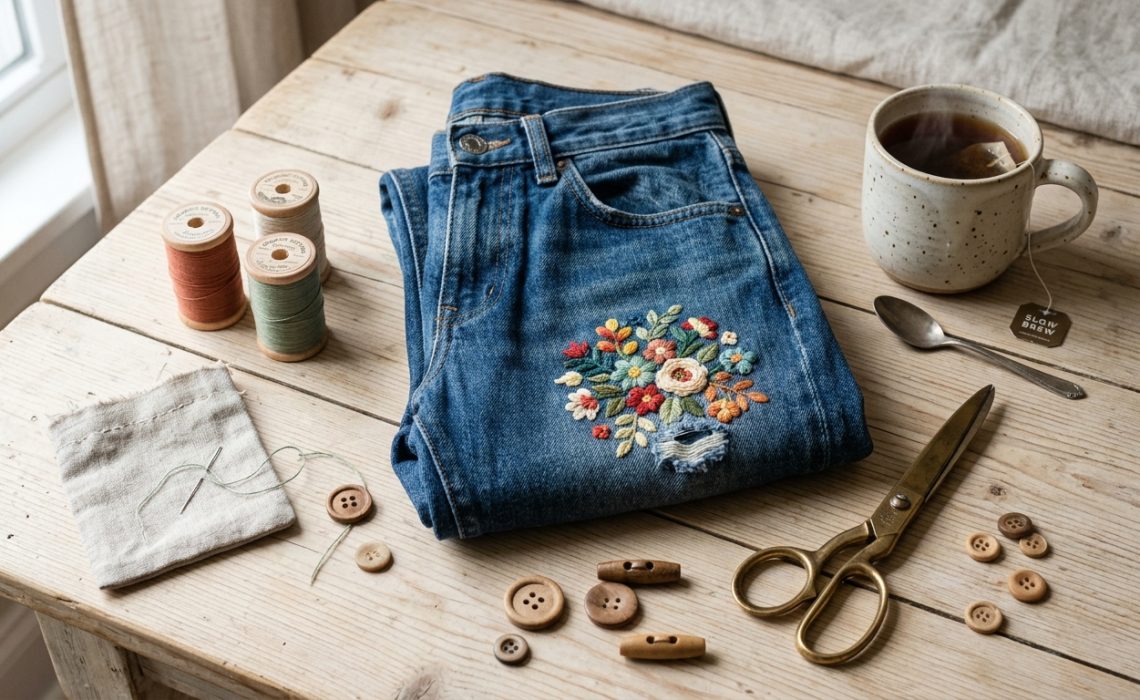
We’ve all been there. You have a favourite jacket with a broken zip, or a beloved pair of trousers with a split seam. Your first instinct might be to fix it, but then reality hits: finding matching buttons is impossible – I have a whole tin full but still can never find the one I took off that new purchase – and a professional repair costs more than the item is worth.
So, with a heavy heart, it goes into the bin. But what if the brand that sold it to you was legally required to help you fix it?
While the UK’s Right to Repair regulations initially targeted white goods like washing machines and refrigerators, the environmental conversation has firmly shifted to the fashion and textile industry. With the UK government facing intense pressure from eco-campaigners to curb our massive waste footprint, a textile-focused repair revolution is finally brewing.
The Cost of the “Wear and Throw” Culture
The scale of the problem in the UK is staggering. Every single year, UK households discard around 336,000 tonnes of used clothing into ordinary bins.
This isn’t just a waste of fabric; it represents a massive disconnect in environmental responsibility. Many of us want to make sustainable choices, but the fashion industry’s current model makes throwing away cheaper and easier than mending. True circularity isn’t just about high-tech recycling facilities down the line – it starts right now, in our wardrobes, by keeping the clothes we already own in active use for longer. For me, that is about buying better quality and less of it – and ‘shopping my wardrobe’ more often.
Did you ever hear about Sheena Mtheiken? She explored sustainability versus disposability by having 7 ‘little black dresses’ made for work, and wore them for a 365 days, kicking off the Uniform Project – just ringing the changes with vintage, pre-loved or donated accessories, she wasn’t allowed to buy any herself. It became a symbol of social change and went viral, receiving worldwide interest.
And then there is Project 333 that challenges you to only have 33 items in your wardrobe and dress with only those for 3 months. Would be interesting to try that for work and see how long it takes for anyone to notice it! We all think everyone is looking at us, judging what we are wearing – but the truth is, they are more focussed on themselves than you.

MY SUSTAINABILITY DEFINITION: MEETING TODAY’S NEEDS WITHOUT RUINING TOMORROW. Support the Stories: I truly believe that sharing these stories helps keep us all connected and inspired to do better by our planet. If you enjoy reading my articles and want to help keep this platform running, please consider clicking the “Sponsor My Writing” button in the top right corner. As a little extra thank you, anyone based in the UK who sponsors £10 or more will get a penguin coaster or two sent right to their door! Your support means the world and directly fuels the next article.
Why Buying “Sustainable” Isn’t Enough
We often talk about buying clothing made of organic cotton or recycled materials, which is a great step forward. However, the most sustainable garment is always the one already hanging in your cupboard. Research shows that extending the active life of a piece of clothing by just nine months can reduce its carbon, waste and water footprints by roughly 20 to 30 percent.
When we repair a garment, we rebel against the throwaway culture. We give our clothes a history, a story and a personality that no off-the-rack fast-fashion item can match. Your local dry cleaners could be a saving grace here – I’ve found that for small repairs that I can’t do myself – like renewing the shearing on a treasured summer jumpsuit of mine – can be a lifeline to repairing your clothes, giving them another life, but not at a cost that the garment is not worth.
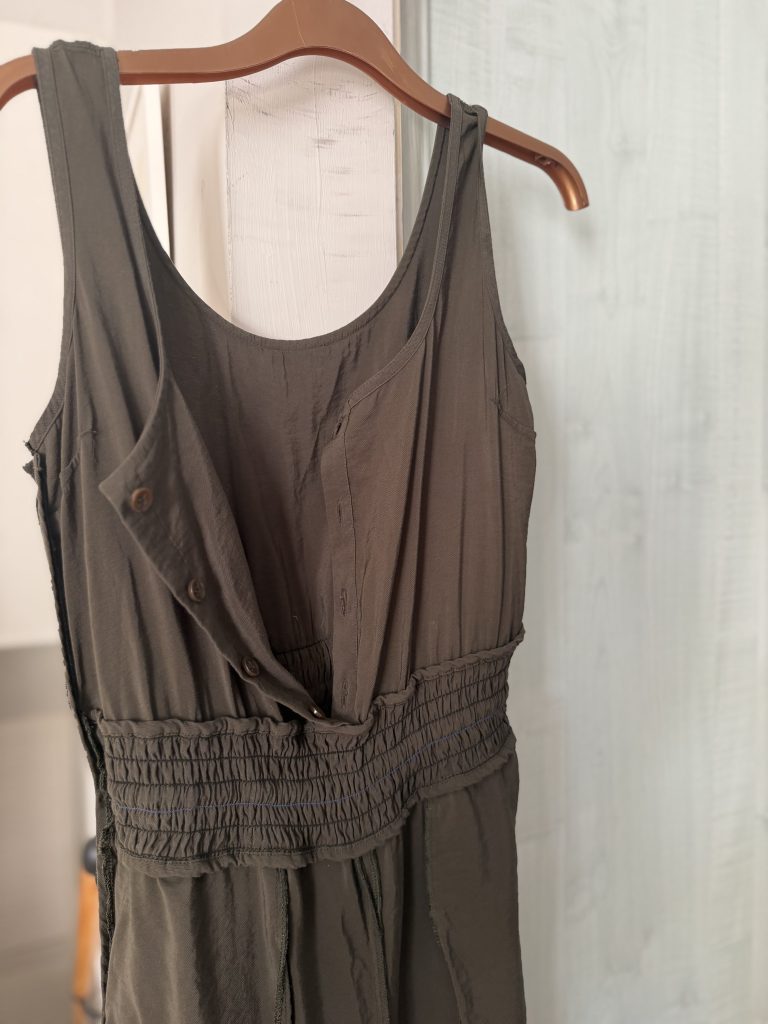
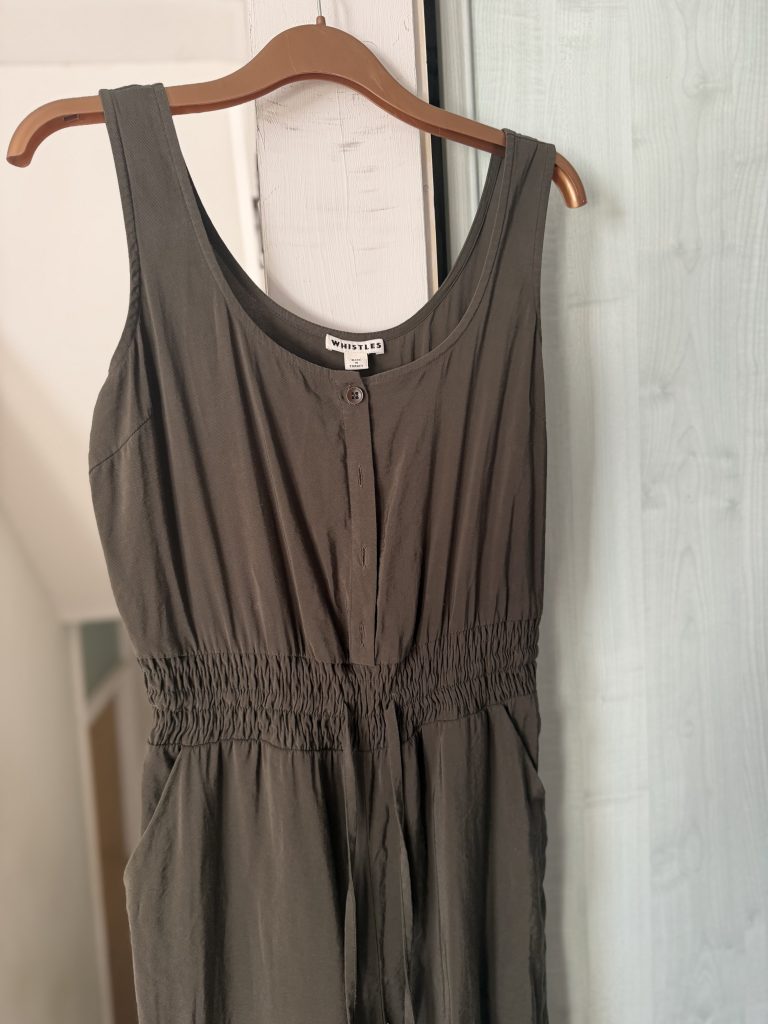
So, extended repair laws would force manufacturers to design garments that are durable, provide accessible spare parts (like specific buttons, zippers and colour-matched patches) and supply clear mending instructions.
Three Ways to Join the Repair Revolution Today
You don’t need to wait for legislation to catch up to start changing how you manage your wardrobe. Here is how you can take control today:
- Demand spare parts: Next time you buy a new clothing item, check if it comes with extra thread or buttons. If it doesn’t, drop a quick message to the brand’s customer service asking why. Consumer pressure works, it’s that ‘voting with your wallet’ situation again.
- Locate a UK Repair Café: You don’t have to do it alone. The UK has a thriving network of Repair Cafés and community mending hubs. These are spaces where volunteer fixers will help you repair your clothes (and teach you how to do it) for free.
- Master one basic stitch: You don’t need to be a master tailor. Learning a simple running stitch or how to sew on a button can easily rescue several garments a year from the landfill.