We often look to grand policy meetings or technology pioneers to solve our planet’s crises, but lately, I’ve been finding the most inspiring stories right on my doorstep – in the quiet, persistent work of local individuals rolling up their sleeves and asking: “How can we do this better?”
Recently, I had the pleasure of sitting down with Sarah, a local clock restorer by trade, a self-described “fix-it” person and one of the brilliant co-founders of The Library of Requirements Community Interest Company (CIC), better known as The Library of Things. Opened in June 2026 at Croxley Business Park, this community initiative is a masterclass in reducing consumerism, curbing waste and rethinking our relationship with “stuff”.
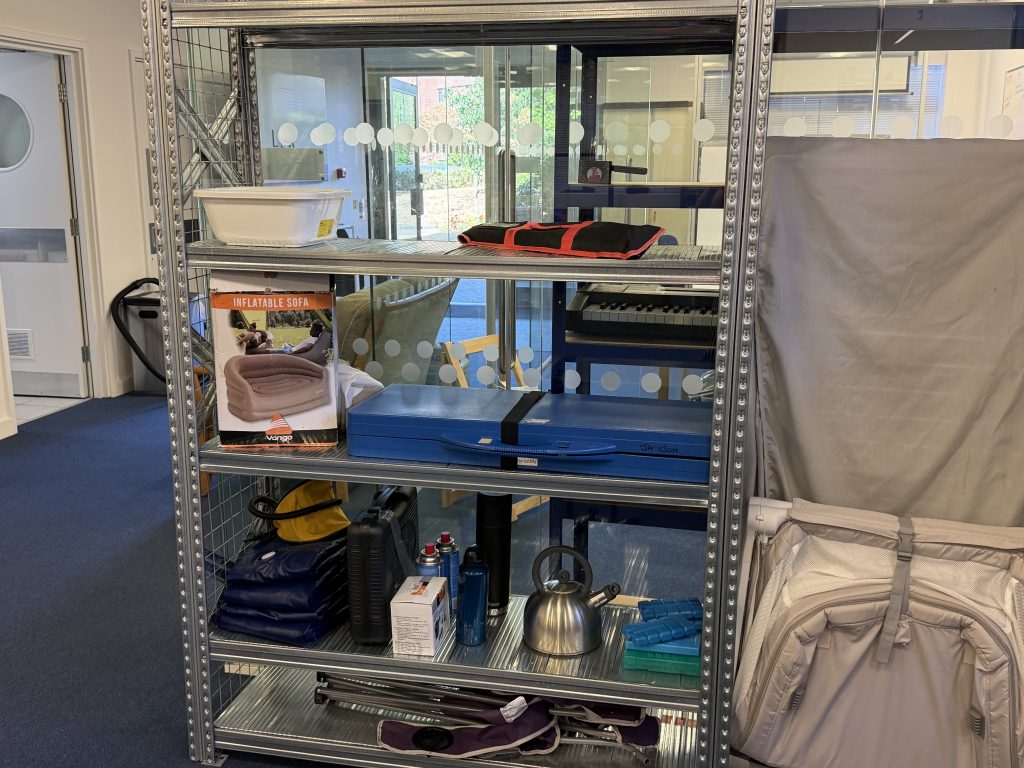
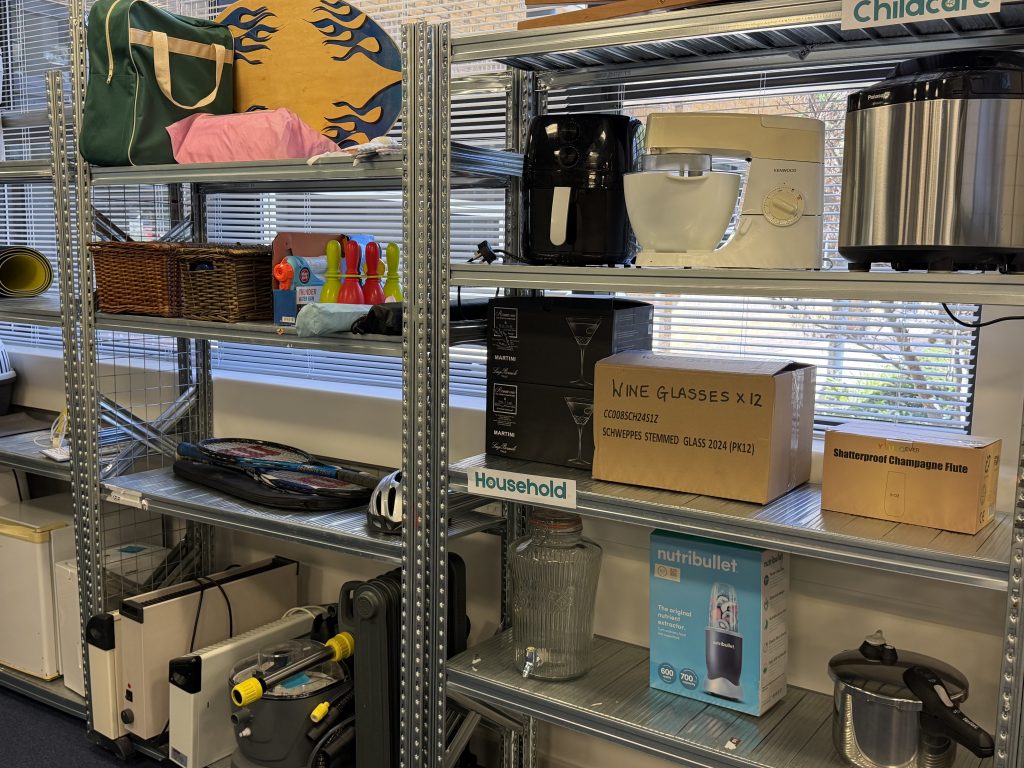
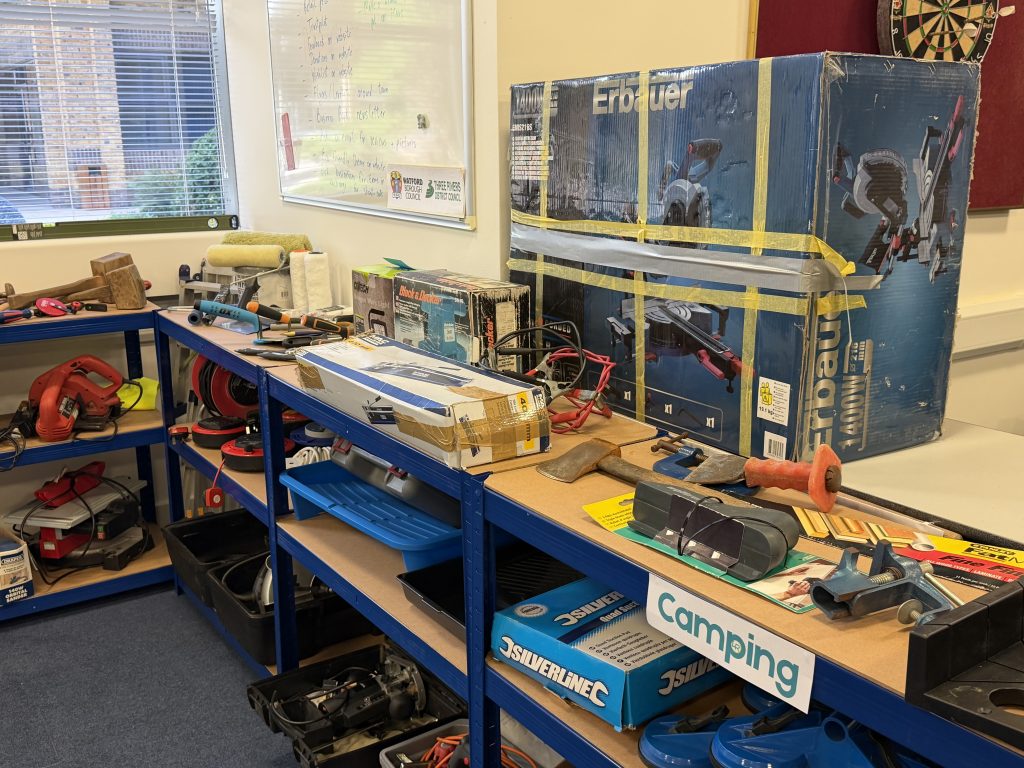
We all know and love the traditional library – a place where books are shared, stories are passed around, and knowledge belongs to everyone without the need to buy every single title we want to read. But what if that exact same community concept was applied to everyday life? Instead of bookshelves, imagine shelves lined with lawnmowers, pressure washers, camping gear and sewing machines. That’s the brilliant idea behind The Library of Things: a place where you borrow what you need, return it when you’re done and keep clutter – and waste – off the planet. Here’s how the story goes…
A Spark from a Daughter’s Borrowed Tools
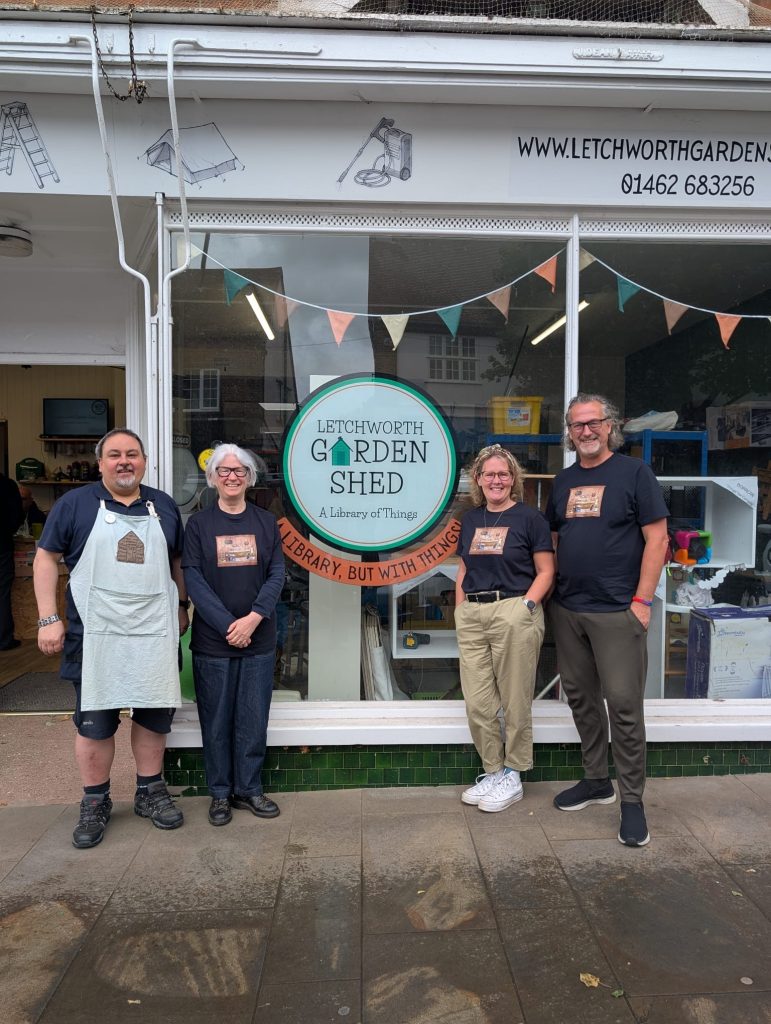
Every eco-hero story starts with a spark and for Sarah, it came from her own family. After years of hauling her own tools across Hertfordshire to help her daughter decorate and mend her home, her daughter suddenly announced she didn’t need them anymore. The reason? She was borrowing them from a “tool library” in Letchworth.
“She came back with a multi-tool, a step ladder, and bits and pieces. I couldn’t get my head around it: ‘Anything? You can borrow ANYTHING?’ It blew my mind.” – Sarah
That visit to Letchworth’s “Garden Shed” high-street space planted a seed. Sarah and her husband, Gerrard, attended a mini-conference run by the Letchworth team. Coming away inspired, they asked themselves a simple question: We’ve lived in the area for 37 years, we know people – why can’t we do this here?
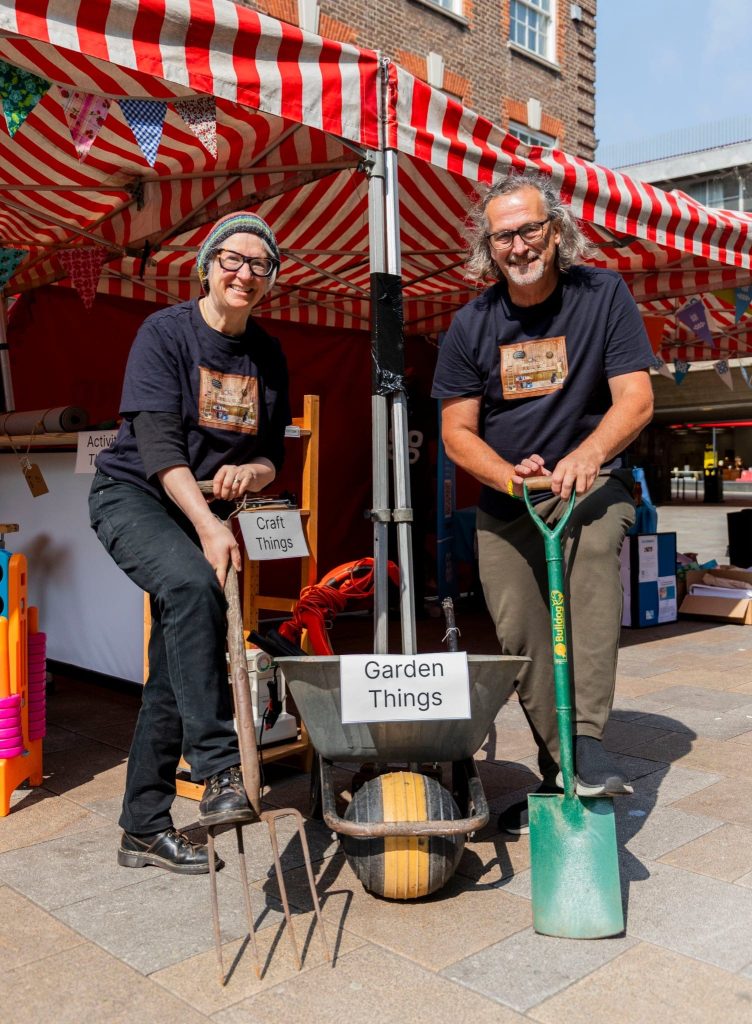
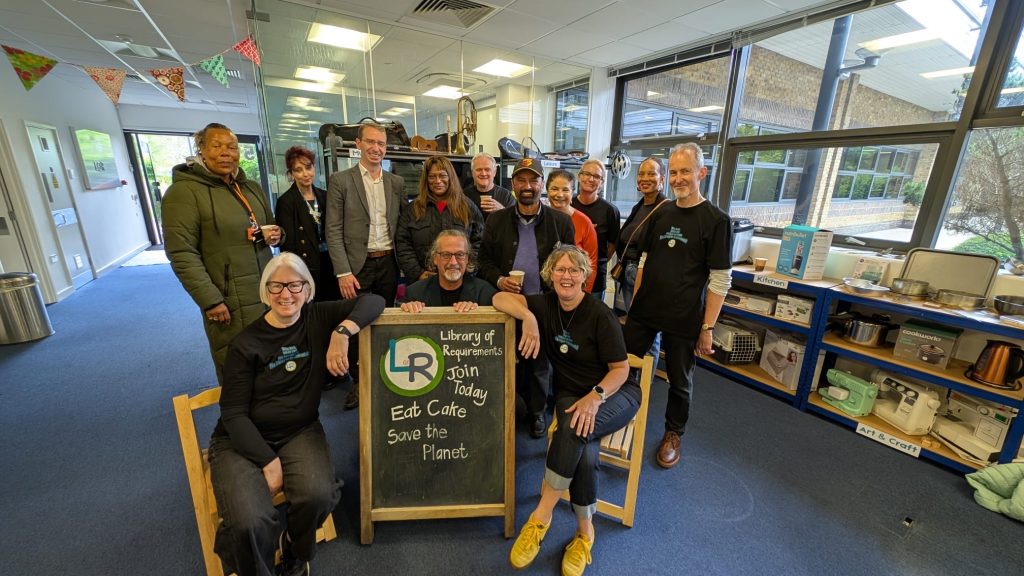
FROM CONCEPT TO OPENING: Photo Credit: Sarah, The Library of Requirements
Building a Tribe of “Scrimpers” and Community Builders
Sarah is no stranger to practical sustainability. Years ago, concerned about single-use plastics, she built a shelving unit in her garden and ran a home refill scheme where neighbours could top up washing-up liquid and white vinegar.
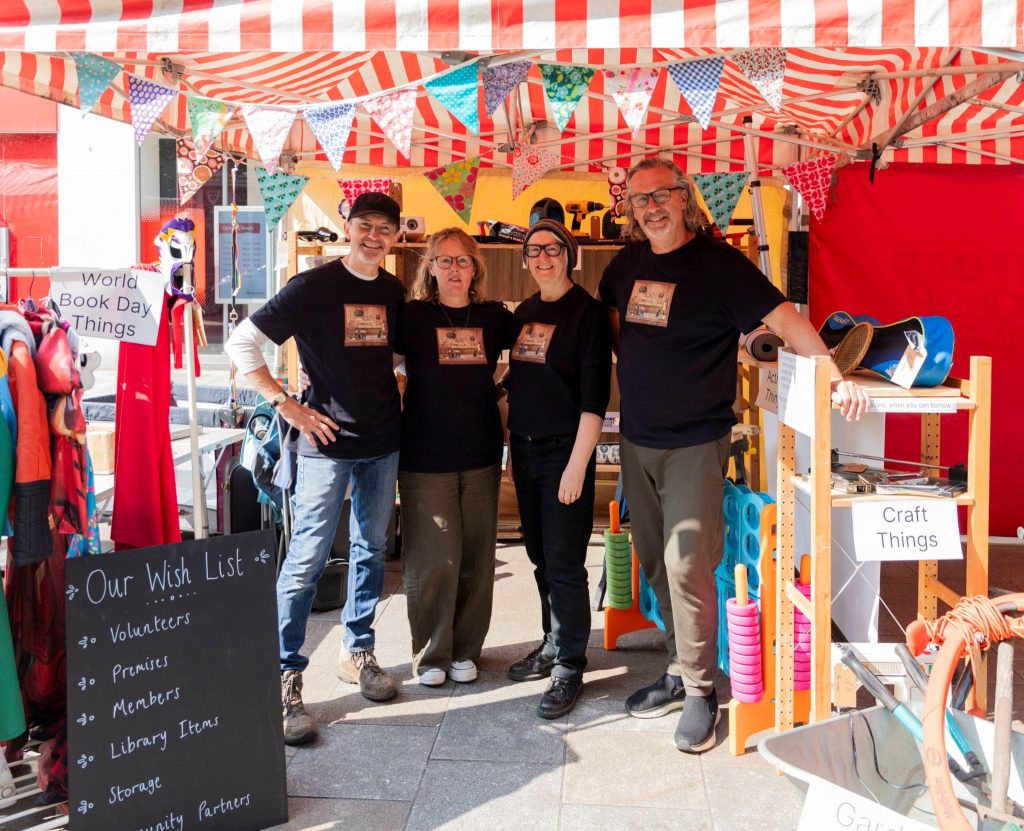
To get the Library of Things off the ground, she tapped into that green network and partnered with two key people: Vic, a passionate community organiser who also runs local repair cafés and David, an allotment holder with a deep, practical connection to the earth. Together, the small team spent a year knocking on doors, networking with local community groups, securing a Mayor’s Small Grant from Watford for core software and IT equipment and searching tirelessly for premises. Through a connection fostered by local community engagement officers, they were introduced to the management at Croxley Business Park, who generously handed over the keys to a unit.
Borrowing Over Buying: How It Works
The concept of a Library of Things is refreshingly Cr: Why buy an item you only use once or twice a year when you can borrow it for a fraction of the cost?
To keep their collection practical and manageable, the library doesn’t accept or lend soft furnishings, furniture, or everyday clothing.
                       ┌─────────────────────────┐
                       │   Browse & Reserve      │
                       │ Online or In-Person     │
                       └────────────┬────────────┘
                                    │
                                    ▼
                       ┌─────────────────────────┐
                       │  Pick Up at Croxley PB  │
                       │  (Thurs PM / Sat AM)    │
                       └────────────┬────────────┘
                                    │
                                    ▼
                       ┌─────────────────────────┐
                       │   Use, Return & Keep    │
                       │   Stuff Out of Landfill!│
                       └─────────────────────────┘
Annual Membership: Just £10 a year gives you access to the entire catalogue.
Nominal Borrowing Fees: Borrow items for a weekly fee ranging between £1 and £12 (e.g., a hand tool is ~£1/week, a drill is ~£4/week, or an industrial carpet cleaner is £12/week).
No Buy-In Barrier: For housing association tenants or those struggling with funds, memberships can be gifted or “paid forward”.
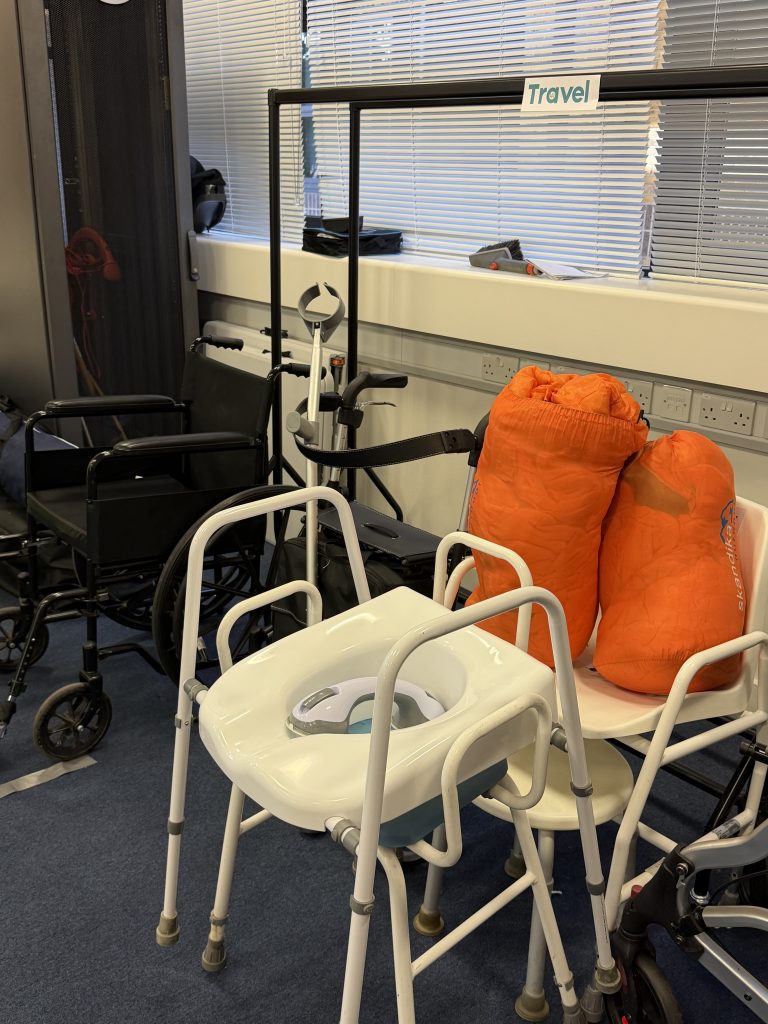
The Stock: Everything from pressure washers, camping equipment, and DIY power tools to children’s World Book Day costumes.
Children’s World Book Day costumes are the one very special exception to no clothing! Recognising how unsustainable – and expensive – it is to buy single-use outfits that kids quickly outgrow, the team keeps a dedicated stock so parents can simply borrow a costume for the day and return it, saving both money and synthetic fabrics from going to waste.
Beyond household items, they’ve partnered with local stores like Wickes through their “Pick and Wickes” initiative – rescuing paintbrushes, rollers, and fixings that cannot be resold and offering them to locals for free rather than letting them go to landfill.
SUPPORT THE STORIES: SPONSOR OUR WORK I truly believe that sharing these stories helps keep us all connected and inspired to do better by our planet. If you enjoy reading my articles and want to help keep this platform running, please consider clicking the “Sponsor My Writing” button in the top right corner. As a little extra thank you, anyone based in the UK who sponsors £10 or more will get a penguin coaster or two sent right to their door! Your support means the world and directly fuels the next article. MY SUSTAINABILITY DEFINITION: MEETING TODAY’S NEEDS WITHOUT RUINING TOMORROW.
Passing on the Mentality: Purpose, Skills and the”Graveyard”
What struck me most during my chat with Sarah was how a Library of Things tackles two huge modern issues at once: environmental waste and community isolation.
Sarah talked fondly about her wartime mother, who kept a small notebook of recipes and tips on how to save every scrap. Nothing was wasted – worn-out shirts became rags, buttons were harvested and old equipment became part of what Sarah calls a “graveyard” – a stash of spare parts kept to fix broken items down the road.
In our throwaway culture, this scrimping mentality is making a comeback. Younger generations – mindful of climate change, fast fashion, and waste – are eager to learn these practical skills. By bringing Duke of Edinburgh (DofE) volunteers, local fixers, retirees and young people together, the Library of Things gives skilled individuals a sense of purpose while teaching the next generation to cherish and repair what we already have.
“If you get youngsters in… they catch that scrimping, re-using message. One young volunteer looked at an offcut strap I saved for our ‘graveyard’ and was amazed that you didn’t just throw it in the bin. It switched something on in him.” — Sarah
Why Buy When You Can Borrow?
Whether you live in a leafy house with a shed full of clutter or a modern town centre apartment with minimal storage, the Library of Things is a game-changer. It saves money, declutters our living spaces, keeps valuable resources in circulation and strengthens our local community ties.
How You Can Get Involved:
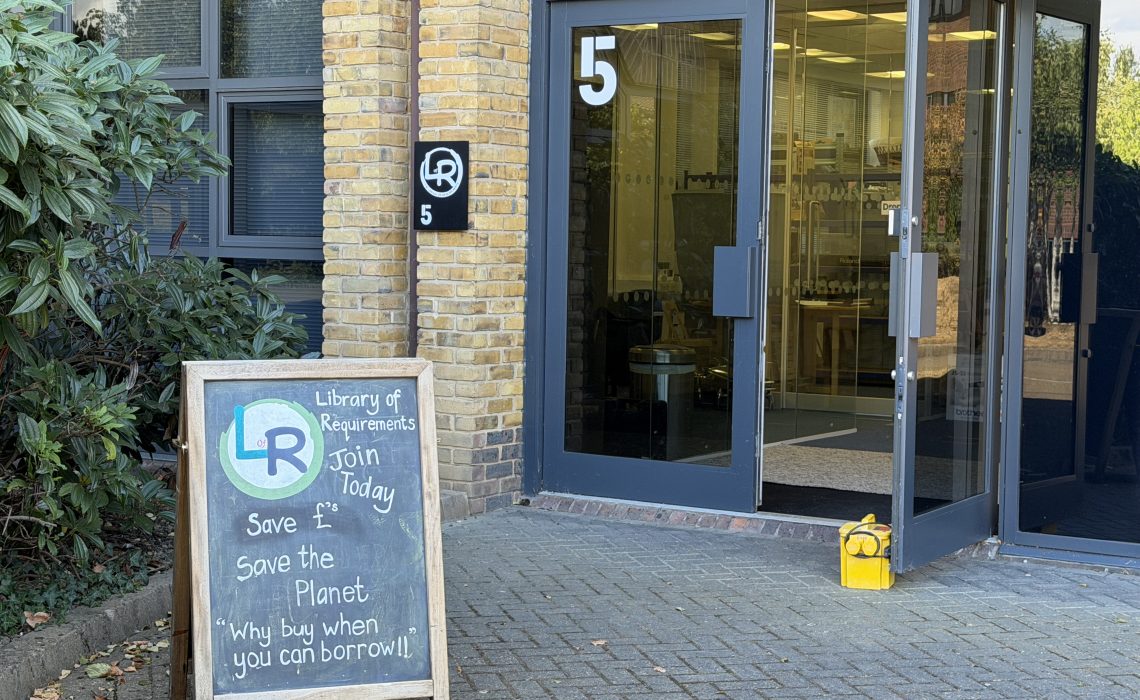
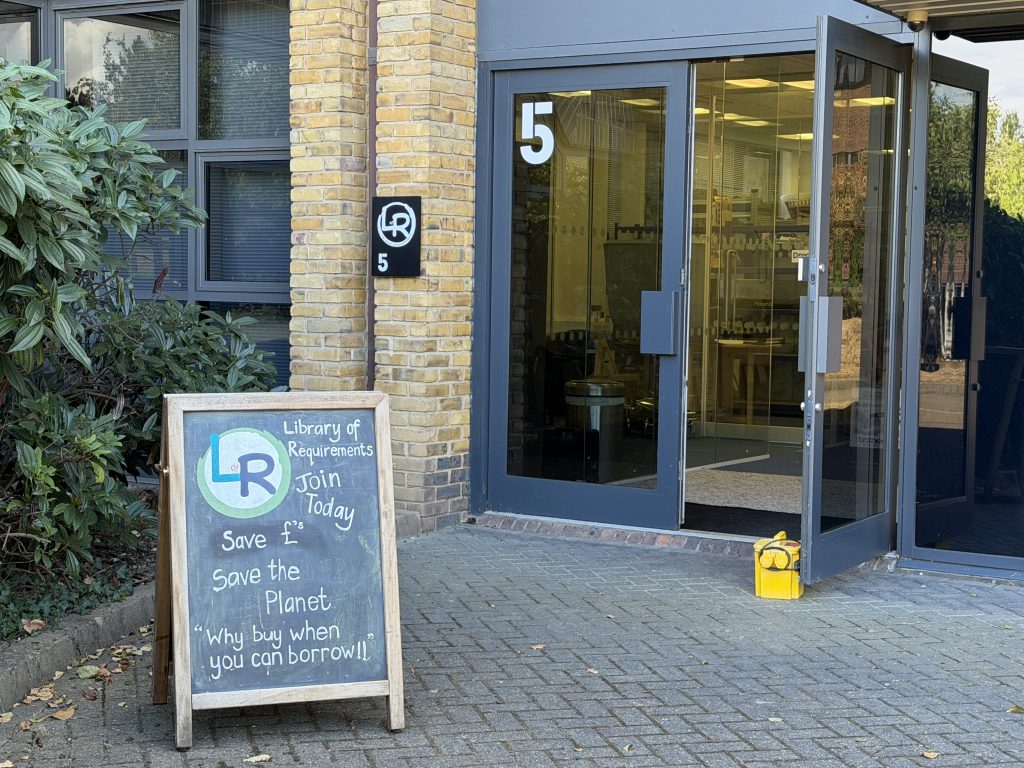
Borrow: Visit their space at Croxley Business Park (Unit 5, Building 6, Hatters Lane, WD18 8YH) or search their inventory online. Open Thursdays 4–7 PM and Saturdays 9 AM–12 PM.
Donate: Got quality tools, camping kit, or equipment sitting unused in your shed or attic? Get in touch with the team to see if it can join their lending library.
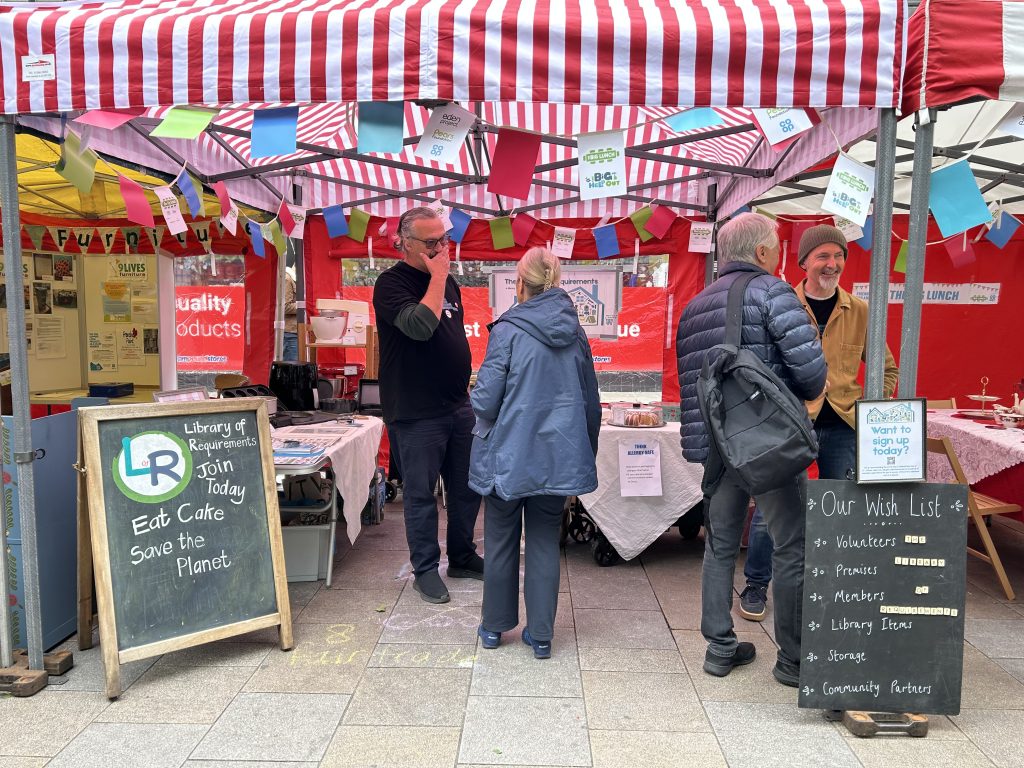
Volunteer: If you’re a tinkerer, a maker, or someone who loves bringing people together, they are always looking for volunteers and fixers.
Eco-heroes don’t always wear capes; sometimes, they just hand you a pressure washer, a carpet cleaner or a second-hand drill and remind you that sharing is the most radical act of sustainability we have.