

We often fall into the trap of thinking that the golden age of exploration is a closed chapter in a history book. We imagine that the great maps were all filled in during the early 1900s, leaving nothing left for the modern world to uncover.
But this past May, while attending the bi-annual James Caird Society dinner at Dulwich, I was seated at a table that completely shattered that illusion. Another reason why I just love being a member of the that Society, you meet such interesting people, doing incredible things…
Sitting near me was Mark Reed, a modern-day explorer and project founder of a monumental endeavour called The Last Cache. Speaking with him was a thrilling reminder that history isn’t just something we look back on – there are still epic expeditions to be completed, new things to conquer and profoundly historic artefacts waiting to be found.
What is “The Last Cache”?
Most people know the legendary story of Sir Ernest Shackleton’s ill-fated Endurance expedition. We know about the ship being crushed by pack ice, the harrowing survival story, and Shackleton’s heroic journey in the James Caird lifeboat to save his men. But few people know the other tragic, heroic story happening simultaneously on the exact opposite side of the Antarctic continent: The Ross Sea Party.
THE GREATEST ANTARCTIC EXPEDITION … THAT NEVER HAPPENED
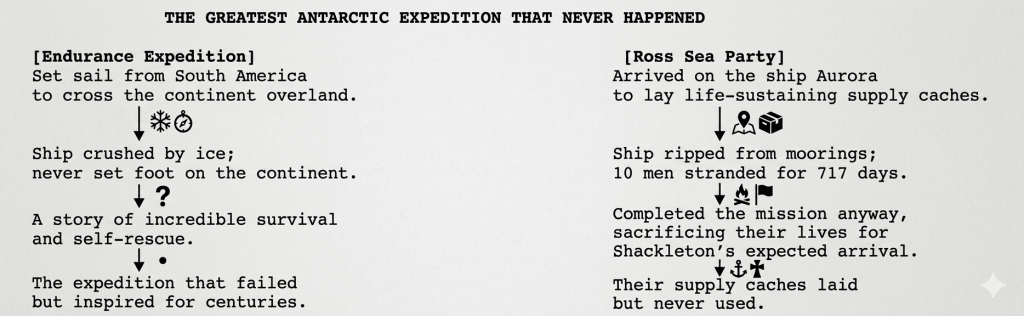
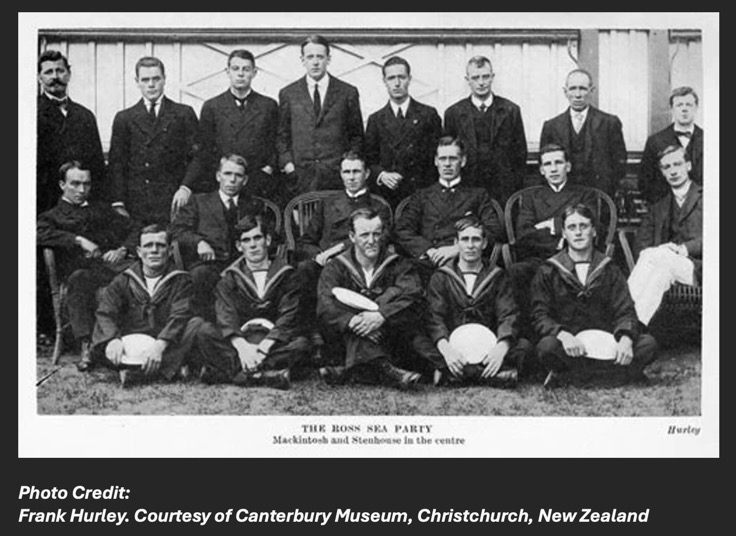
In 1915, while Shackleton was setting sail, a group of 28 men arrived on the ship Aurora on the other side of Antarctica. Their mission was grimly vital: march hundreds of miles inland to lay a chain of supply depots across the ice so Shackleton’s crossing party wouldn’t starve to death on their final stretch.
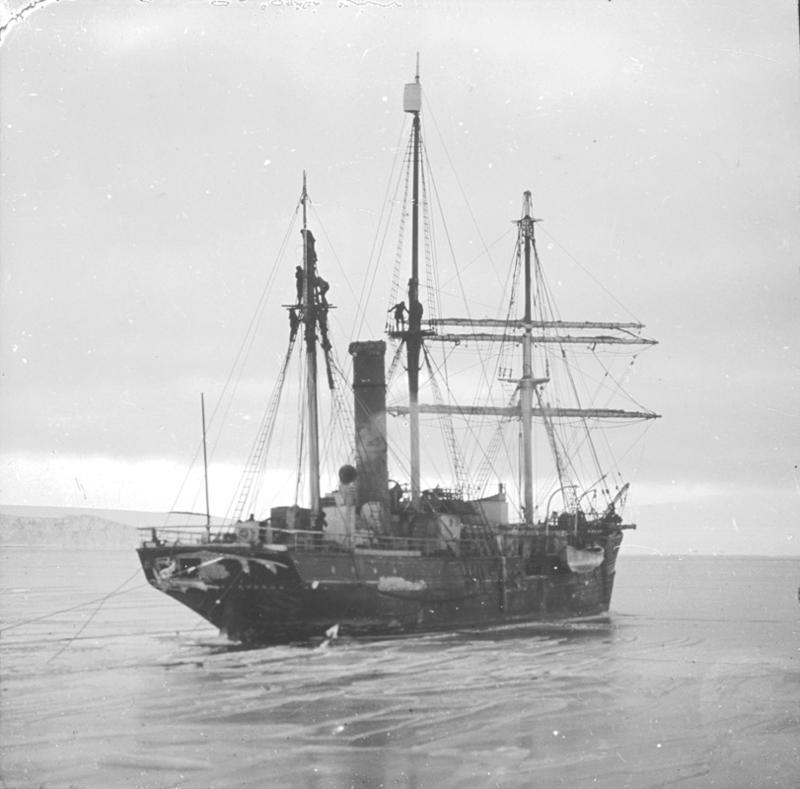
Disaster struck early when their ship was ripped from its moorings by the ice, leaving ten men completely stranded on the continent for 717 days. Yet, believing the lives of Shackleton and his crew depended entirely on them, they pushed forward into unimaginable conditions. They marched 1,800 miles, starving and freezing, hauling untouched food and clothing across the ice. Three men perished on the ice, including their leader.
At latitude 83° South, at the foot of Mount Hope, they laid their final depot. It contained vital provisions and a letter meant for Shackleton – a letter he would never receive because the Endurance never arrived.
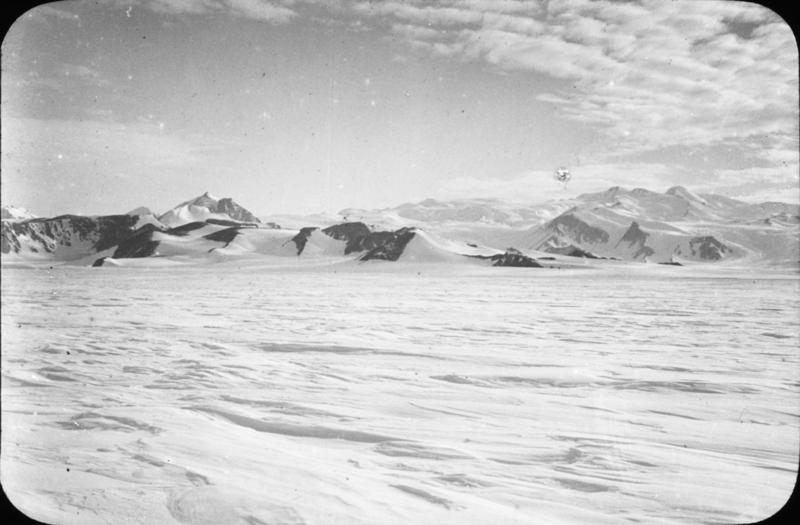
Buried deep in the Antarctic ice for over a century, this Last Cache remains entirely untouched. A silent monument to the ultimate act of selflessness and sacrifice in polar history.
Moving Beyond “Individual Achievement”
Mark’s mission isn’t just about the pinpointing of a historical time capsule. Following our meeting, Mark sent me an email, and one paragraph stuck with me so deeply that I wanted to share it directly:
“What continues to draw me in isn’t the possibility of finding a cache. It’s the people. The more time I spend reading the journals and letters, the more convinced I become that the Ross Sea Party has something important to say today. We hear so much about individual achievement, records and personal success, yet these men achieved extraordinary things because they looked after one another. When things fell apart, they adapted together. When one man could no longer continue, the others carried him. They weren’t superheroes; they were ordinary people trying not to let each other down. That is increasingly the story I want to tell.”
In a world currently obsessed with personal brands and individual accolades, the story of the Ross Sea Party is exactly the antidote we need. They weren’t seeking glory or aiming to break records; they were ordinary men who simply refused to let their comrades down.
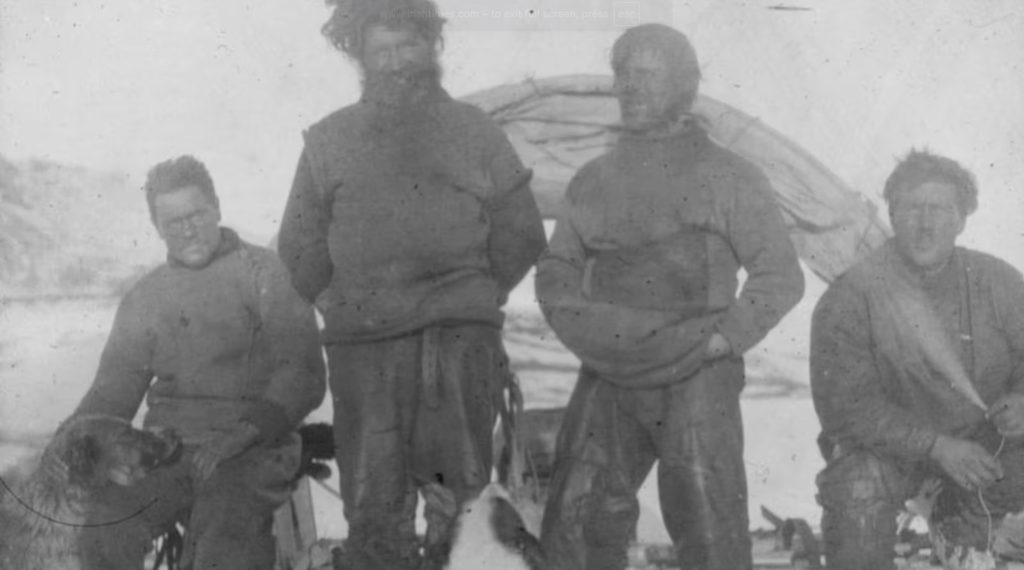
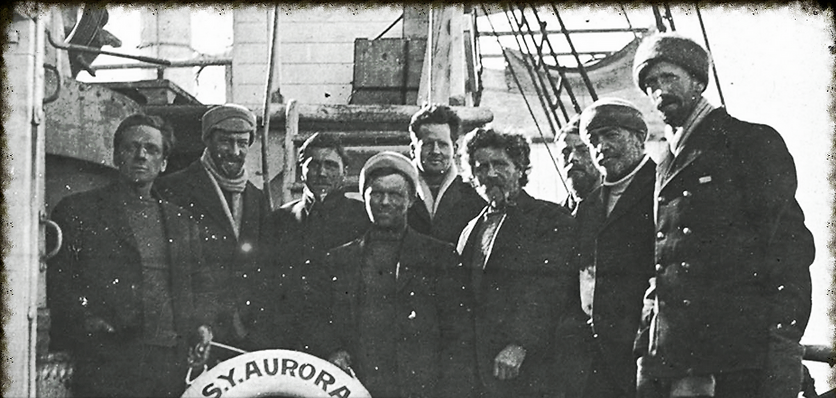
The photo on the left was one recovered from the Ross Sea Party negatives discovered in Scott’s Hut.
| The Last Cache Quest Who: Mark Reed, Polar Guide Devon McDiarmid, Maggie Flatland and a National Geographic documentary crew. The Route: Tracing Shackleton’s original proposed cross-continent route, skiing to the South Pole and traversing – well kite-skiing! – down the unpredictable Beardmore Glacier to Mount Hope. The Goal: Use satellite imagery and ice-flow modelling to locate the cache, this lost piece of history and secure the recognition the Ross Sea Party deserves from the Royal Geographical Society. |
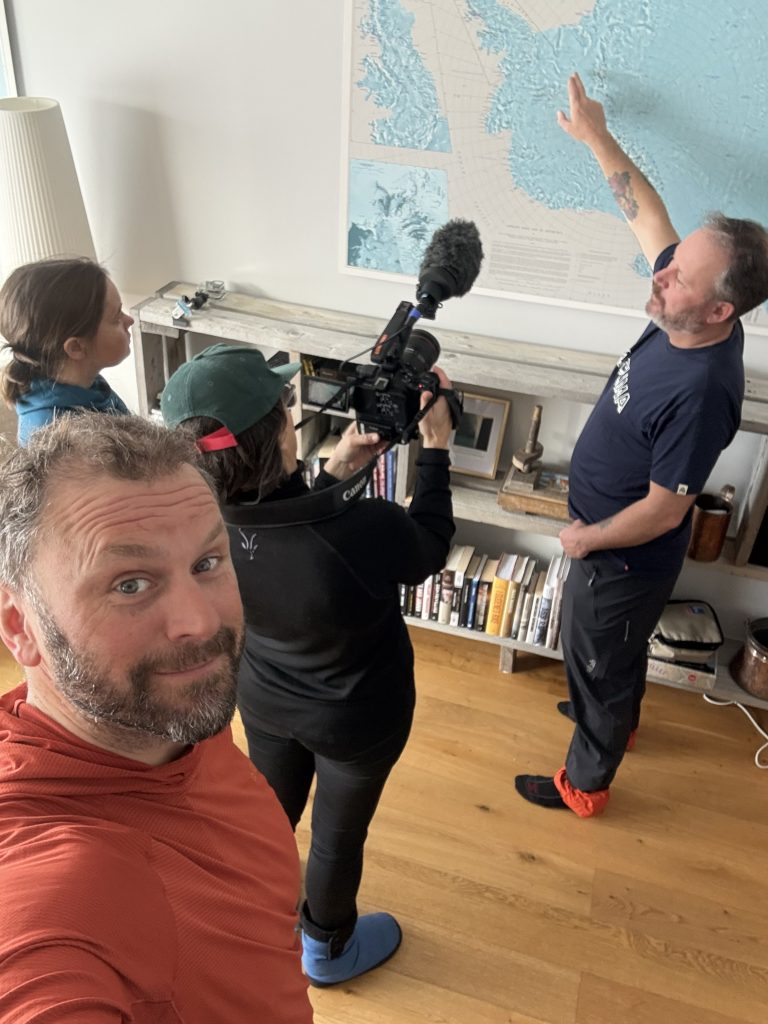
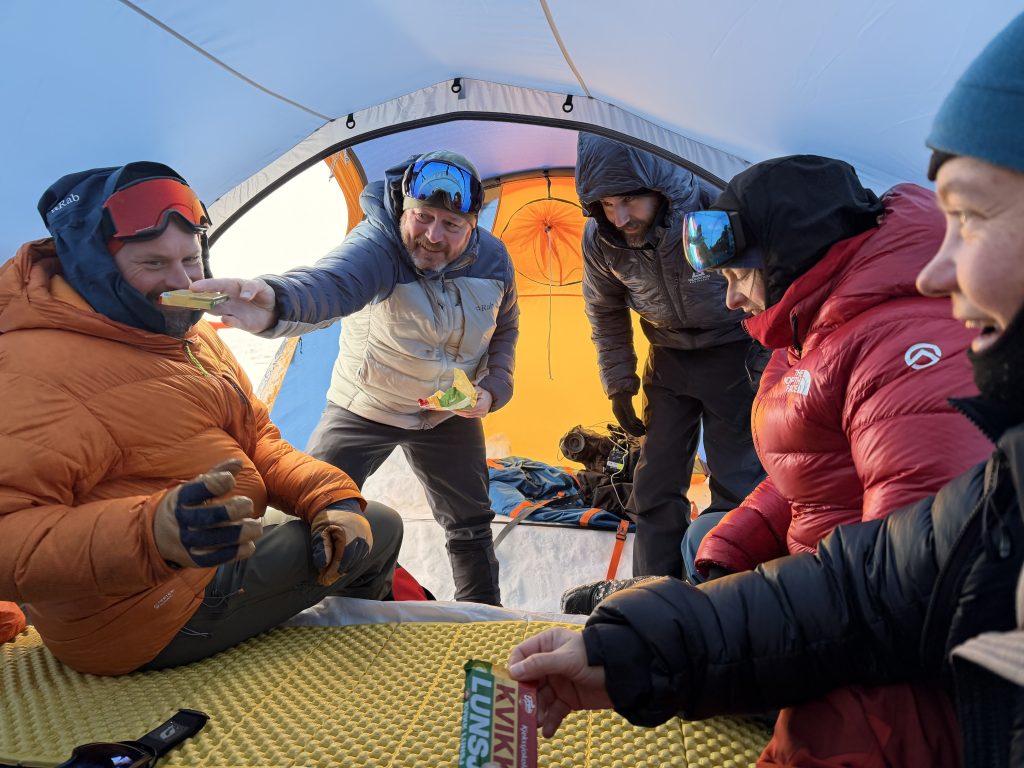
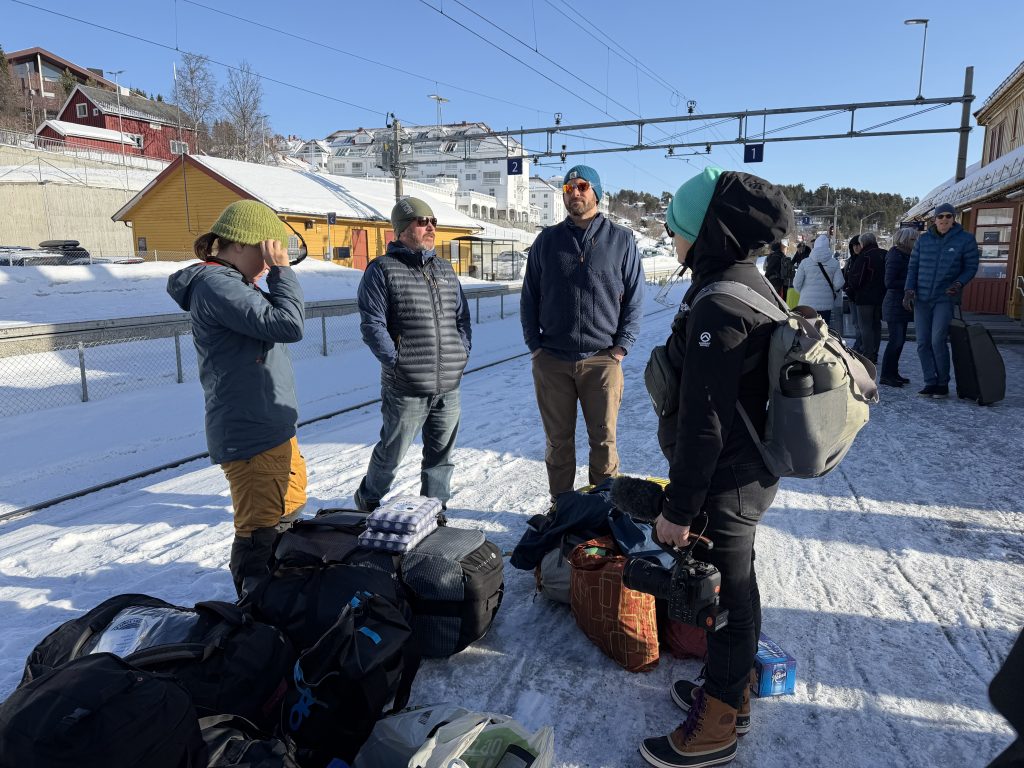
Photo Credit: Mark Reed, The Last Cache

SUSTAINABILITY = MEETING TODAY’S NEEDS WITHOUT RUINING TOMORROW. Support the Stories: I truly believe that sharing these stories helps keep us all connected and inspired to do better by our planet. If you enjoy reading my articles and want to help keep this platform running, please consider clicking the “Sponsor My Writing” button in the top right corner. As a little extra thank you, anyone based in the UK who sponsors £10 or more will get a penguin coaster or two sent right to their door! Your support means the world and directly fuels the next article.
Inspiring the Next Generation of Explorers
What resonated with me most during my dinner conversation with Mark was his profound desire to use this project to inspire young people in schools. He wants to show them that the world is still full of mysteries waiting to be solved. Beyond teaching them polar geography or history, Mark wants to bring the values of the Ross Sea Party into modern classrooms: resilience, teamwork, adaptability and looking out for the person standing next to you.
It’s about reminding our young people that being an “explorer” doesn’t mean you have to be a superhero. It means being an ordinary person with the determination to keep moving forward, even when the ship has sailed away and the odds are stacked against you.
How You Can Help Bring This Story to Light
An expedition of this magnitude – paralleling historical routes with a world-class documentary team to achieve it – requires an immense amount of logistics, specialised equipment and of course, funding. Mark and his team are currently in the process of trying to raise $1,000,000 USD through brand partnerships and individual sponsorships.
If you are a history buff, an adventure lover, or a corporate partner looking to support an incredible educational and historical project, you might want to check out their work:
- Learn more about the project: Visit The Last Cache Website and here for the Film Deck
- Follow the updates on social media: @the_lastcache
- Get involved / Inquire about sponsorship: Contact Mark directly at:
mark.reed@thelastcache.com
Meeting Mark reminded me that human perseverance is an exhaustless resource. The Ross Sea Party took care of each other in 1915; more than a century later, is it finally our turn to make sure their voices are heard?