

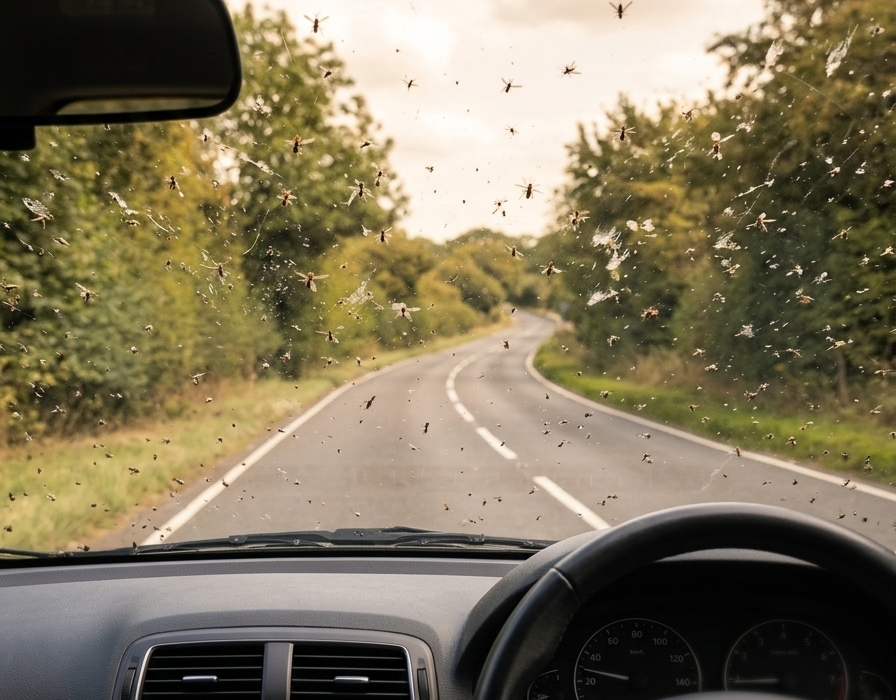
Have you taken a drive through the countryside on a warm summer evening recently and noticed something strange about your car windscreen?
For those of us born in the 60’s and 70’s, summer drives in our younger years meant one inevitable chore: cleaning a windscreen plastered with countless splattered insects. Back then, a long drive in July or August guaranteed a front bumper and windscreen thick with tiny bugs. Today, you can drive hundreds of miles across the UK and arrive home with a glass windscreen that is almost entirely spotless.
It might feel like a convenience, but in truth, it is a alarming symptom of a ecological crisis unfolding right in front of our eyes.
The Numbers Behind the “Windscreen Phenomenon”
This isn’t just nostalgia, it’s backed up by citizen science. The landmark Bugs Matter survey (run by Buglife and the Kent Wildlife Trust) uses a clever method to measure insect abundance: counting the insects splattered on car number plates across the UK.
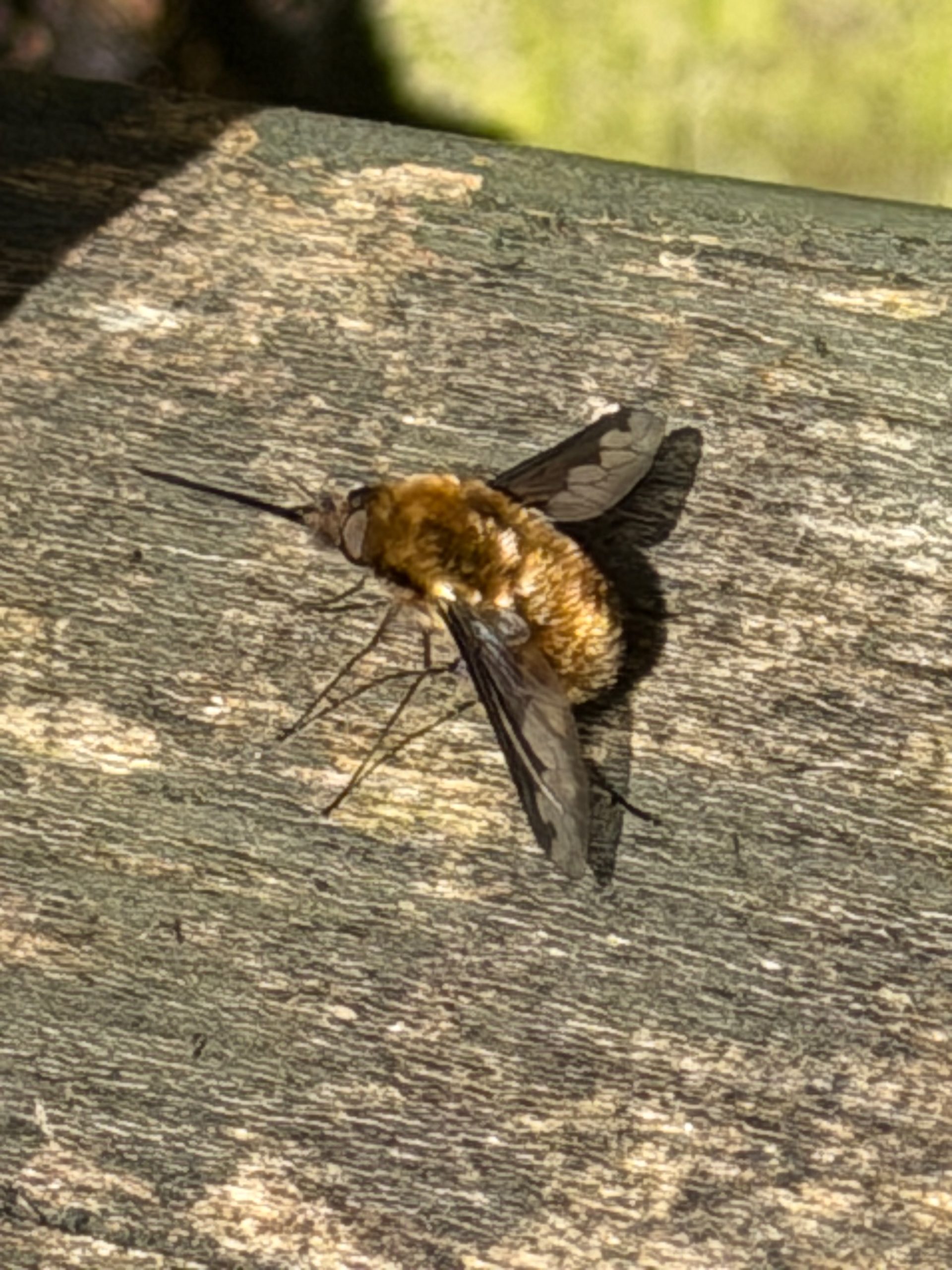
The data from recent years paints a stark picture:
- 63% fall in flying insects on UK number plates between 2021 and 2024.
- 59% fall in flying insects sampled across a five-year period (2021–2025).
- 23% decrease in the distribution of UK pollinators in 2024 compared with 1980.
- 38% of UK pollinator species have become noticeably less widespread over the long term.
What we are witnessing is not a gentle dip, but insect populations in free-fall.
You can take part in this important citizen science survey for 2026, it’s running until end of September this year – and it’s extended into France. Find out how to participate HERE.
I am such a champion of citizen science – it bridges the gap between feeling helpless and actively giving back to our planet. Joining projects like Bugs Matter gives every single one of us a direct way to contribute real, meaningful data, empowering us as individuals to step up, take ownership and help scientists protect the nature we love.
Heatwaves and the Engine of Our Ecosystems
It is easy to view insects as minor nuisances, but they are the literal engine room of our planet’s ecosystems. Insects act as the primary pollinators for 75% of our food crops and they form the vital base of the food chain for our songbirds, reptiles and small mammals. Without them, the entire web of life collapses.
To make matters worse, extreme weather driven by climate change is pushing species to their absolute limits. During the severe summer heatwaves hitting the UK and Europe right now, temperature spikes cause severe stress:
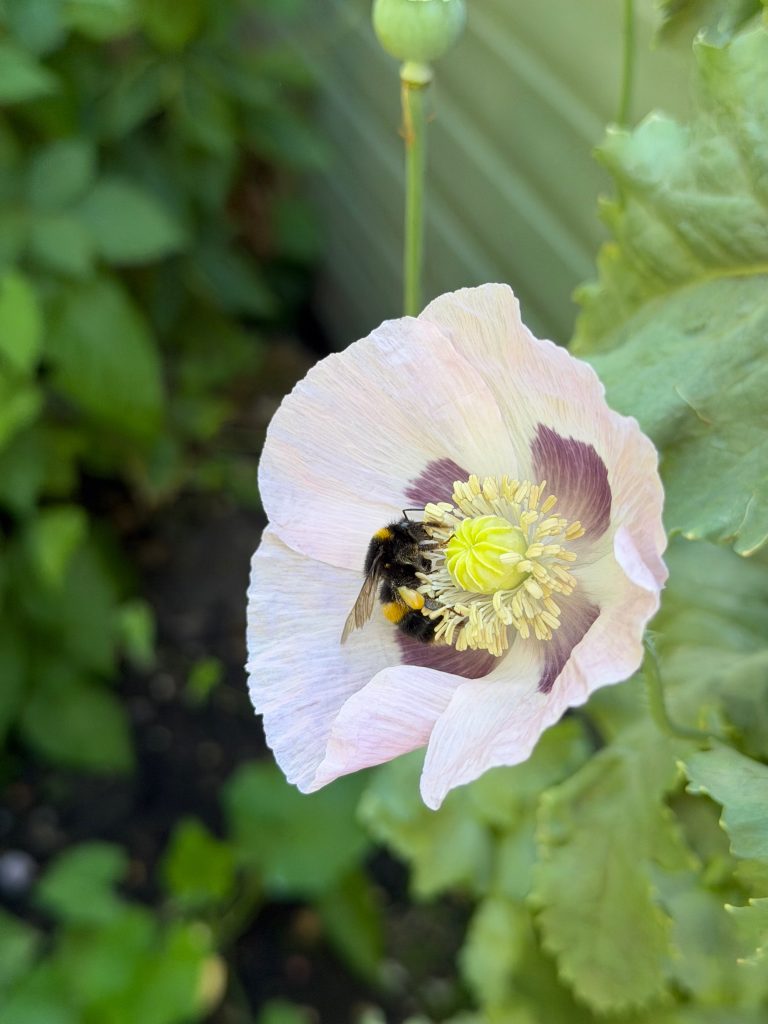
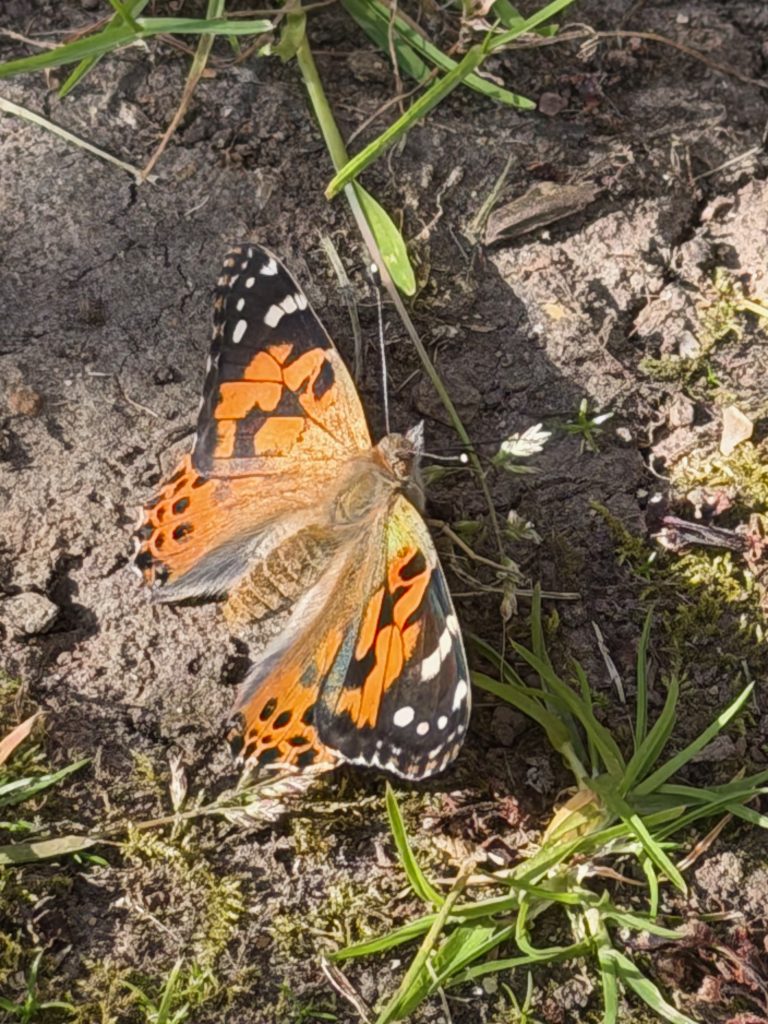
- Bees and Butterflies: High heat dries up floral nectar, leaving bumblebees and butterflies dehydrated and lacking energy to forage or mate.
- Moths and Ladybirds: High temperatures speed up metabolic rates while burning through food reserves, leaving larvae and adult insects starving.
- Beetles and Fireflies: Cracking, scorched soils destroy the damp leaf litter and underground micro-habitats that beetles and fireflies need to lay eggs and complete their life cycles.
When heatwaves combine with existing environmental pressures, insects simply struggle to survive, let alone reproduce.

SUPPORT THE STORIES: SPONSOR OUR WORK I truly believe that sharing these stories helps keep us all connected and inspired to do better by our planet. If you enjoy reading my articles and want to help keep this platform running, please consider clicking the “Sponsor My Writing” button in the top right corner. As a little extra thank you, anyone based in the UK who sponsors £10 or more will get a penguin coaster or two sent right to their door! Your support means the world and directly fuels the next article. MY SUSTAINABILITY DEFINITION: MEETING TODAY’S NEEDS WITHOUT RUINING TOMORROW.
What’s Driving the Decline?
The recent Royal Geographical Society findings highlight a combination of factors choking insect life across the UK:
- Habitat Loss: Loss of native wildflower meadows, ancient woodland, and traditional hedgerows.
- Pesticide Use: Chemical sprays in agriculture and domestic gardening directly harm insects or destroy their food plants.
- Pollution: Air, water, and soil pollution weaken insect populations and ruin breeding sites.
- Artificial Light: Night-time light pollution disrupts the navigation and breeding behaviours of nocturnal pollinators like moths.
- Climate Change: Extreme heat, prolonged droughts, and erratic seasonal shifts strain already fragile populations.
How Can We Help Bring the Buzz Back in Our Own Area?
Unlike large mammals, insects can rebound quickly if given the right conditions. Here’s how we can turn our gardens, balconies and community spaces into sanctuary zones for insects:
- Grow Wildflower Habitats: Plant native nectar-rich flowers like knapweed, scabious, lavender, and foxgloves. Even a window box filled with herbs like thyme and oregano gives pollinators a boost.
- Ditch the Chemicals: Avoid chemical pesticides, weedkillers, and synthetic fertilisers in your garden. Opt for natural pest control or let predators like ladybirds and frogs handle garden pests – this is where even a small wildlife pond in your garden or courtyard could make a difference.
- Reduce Mowing: Embrace “No Mow” areas in your garden and not just for May. Leaving patches of lawn to grow long provides vital shelter and food sources for beetles and caterpillars. Try to leave these patches until end of July or even August for maximum effect.
- Create Darker Nights: Turn off unnecessary outdoor lights at night, or switch to warm-toned, shielded fixtures to stop disorienting night-flying insects.
- Connect Landscapes: Add small features like garden ponds, log piles, or native hedgerows to create connected wildlife corridors across our local neighbourhoods.
While the statistics feel daunting, the beauty of insect conservation is that every single small action creates immediate relief.
Small Steps, Big Impact
If my years of observing nature have taught me anything, it’s that nature’s capacity to recover is astonishing when given half a chance. We don’t all need to be wildlife experts to make a difference – we just need to make deliberate, conscious choices in our day-to-day lives to welcome nature back in.
What simple change will you make in your garden or local space this week to help our pollinators?