

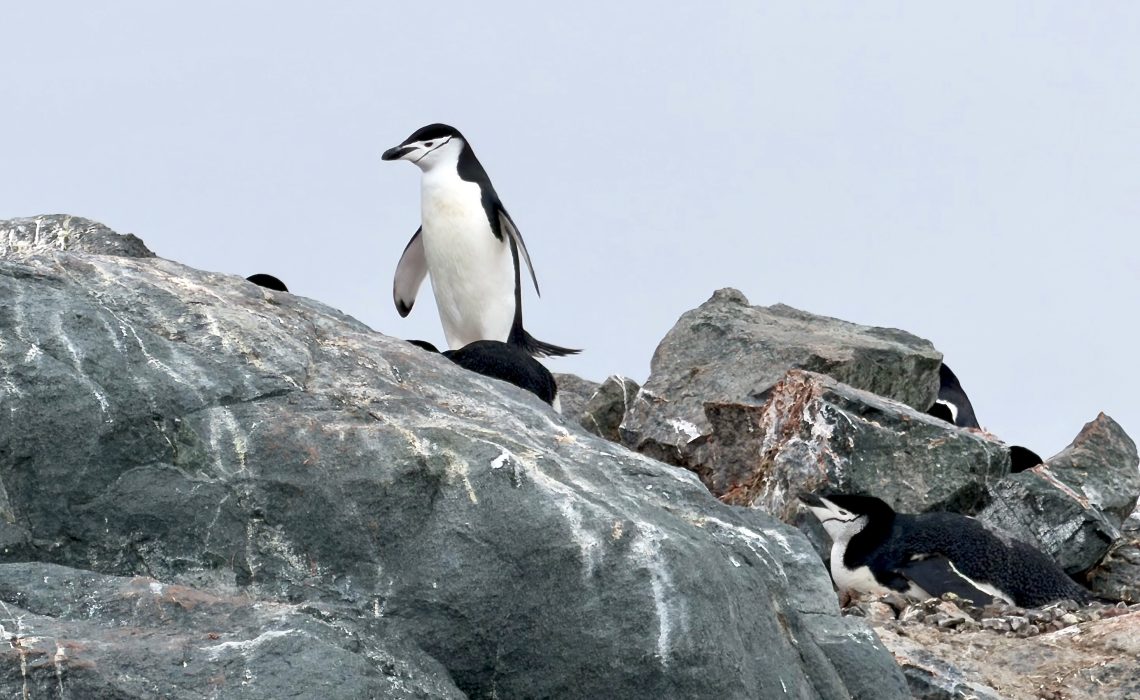
Today, I need to write about something much more sobering than some of my latest topics celebrating sustainable community groups and the return of wildlife to the British countryside . We need to talk about the Southern Ocean and a crisis unfolding far from our everyday lives that demands our attention and our concern.
For years, remote volcanic outposts like Zavodovski Island in the South Sandwich Islands chain have played host to one of the most astonishing spectacles on Earth – home to millions of chinstrap penguins, in massive colonies that resemble scenes from another world. But recent scientific findings from researchers, including teams from the British Antarctic Survey, have revealed a devastating truth. The world’s once-great chinstrap populations are in steep, alarming decline.
Feisty, Bold, and Unapologetically Tough
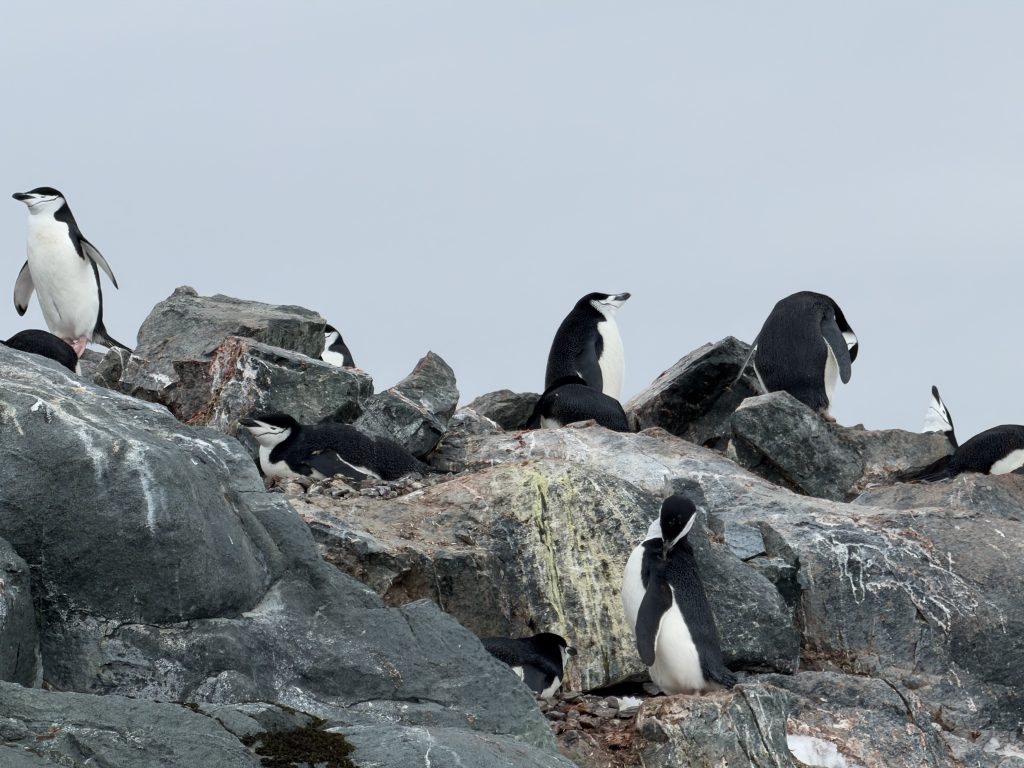
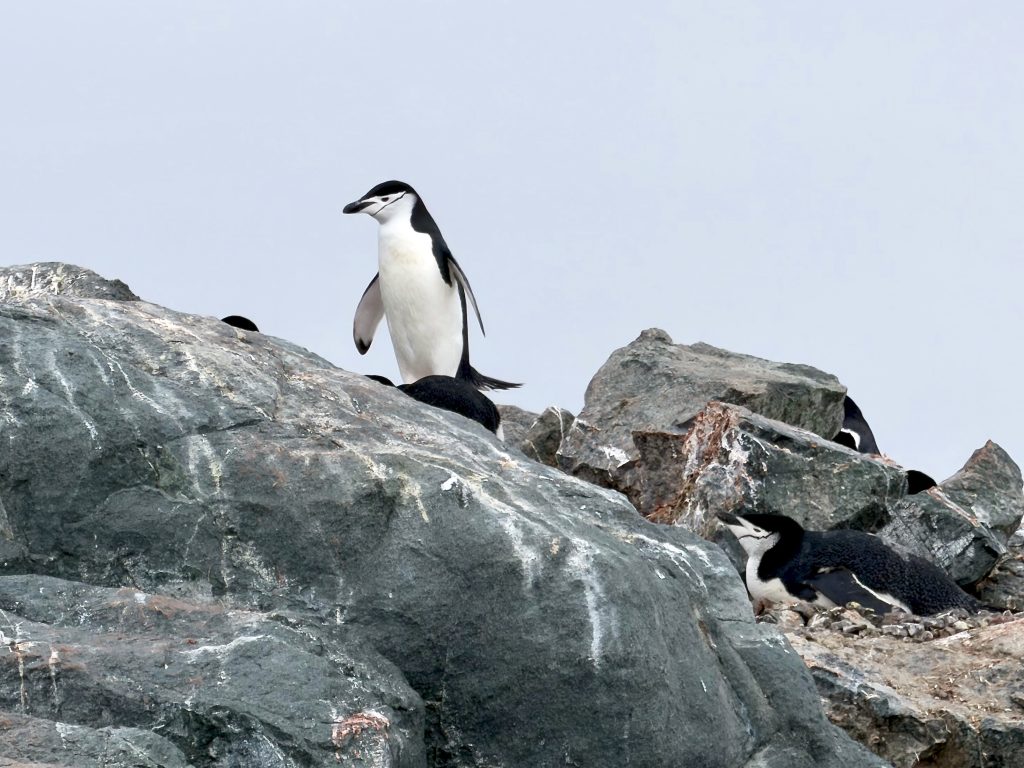
To truly understand what we are losing, you have to know a bit about the character of the chinstrap penguin (Pygoscelis antarcticus). Marked by the thin black band under their beak that gives them a deceptively polite “helmeted” appearance, these birds are famously among the feistiest, boldest and most resilient creatures in the polar world.
Anyone who has studied them up close will tell you they are utterly fearless, noisy and famously combative – often clashing with each other over nesting stones and defending their territories with relentless determination. Watching them scale sheer, icy volcanic cliffs and navigate churning ocean surges with unstoppable grit makes their current struggle even more heartbreaking.
Their fierce spirit has allowed them to master some of the harshest environments on the planet, but even the tough, pugnacious chinstrap is vulnerable when the ocean’s food web breaks down beneath them.
The Scale of the Loss
Recent surveys have shown that on Zavodovski Island alone – historically housing one of the largest single penguin aggregations on the planet – chinstrap numbers have plummeted by a staggering 63% in just a decade and a half.
This is not a localised fluke or a temporary dip. It is part of a broader, systemic unraveling of an ecosystem caught in the crosshairs of global climate change.
Why Is This Happening?
To understand why the chinstraps are disappearing, we have to look to their primary source of fuel: Antarctic krill.
Chinstrap penguins are specialized predators, and their survival is inextricably linked to the availability of these tiny, shrimp-like crustaceans. However, the Antarctic is warming faster than almost anywhere else on Earth, with temperatures in certain areas climbing significantly over the past half-century.
This rapid warming of the ocean water is triggering a profound ecological shift:
- The Squeezed Habitat: As the seas warm, the distribution of Antarctic krill is contracting southward.
- The Barrier of Sea Ice: Chinstrap penguins thrive in cool waters, but they are strictly averse to heavy sea ice. This leaves them caught in a cruel ecological trap – they cannot follow the krill too far south because the heavy ice blocks their way, yet the waters closer to home are becoming too warm to support adequate krill populations.
- Starvation and Reproductive Failure: With their food source moving out of foraging range, adult penguins are forced to travel exhausting distances to find sustenance. This drastic reduction in food availability directly impacts their survival rates, reduces breeding success and causes population numbers to tumble.

SUPPORT THE STORIES. I truly believe that sharing these stories helps keep us all connected and inspired to do better by our planet. If you enjoy reading my articles and want to help keep this platform running, please consider clicking the “Sponsor My Writing” button in the top right corner. As a little extra thank you, anyone based in the UK who sponsors £10 or more will get a penguin coaster or two sent right to their door! Your support means the world and directly fuels the next article. SUSTAINABILITY DEFINITION: MEETING TODAY’S NEEDS WITHOUT RUINING TOMORROW
A Warning We Can’t Ignore
It is easy to look at places like the South Sandwich Islands as distant, untamed wildernesses that operate entirely independently of human actions. But the plight of the chinstrap penguin serves as a stark indicator species for the health of our entire global climate system. When the foundation of an ocean ecosystem begins to crack, the consequences ripple upward to apex predators and seabirds alike.
Saving these incredible birds requires more than just local conservation efforts; it demands a global commitment to curbing greenhouse gas emissions and protecting critical marine habitats from the compounding pressures of climate change and industrial fishing.
The chinstraps have weathered active volcanoes, freezing dark winters and treacherous seas. But a warming ocean is a foe they cannot out-swim alone.
STAY INFORMED: Thank you for reading and for caring about the vulnerable corners of our world. Please feel free to check out the research references below to learn more about the science behind this unfolding crisis.
References & Further Reading:
- British Antarctic Survey / Research Updates: Field reports and recent census data regarding population shifts in the South Sandwich Islands.
- Menadue, J. (2026). “Climate change has devastated one of the world’s great penguin colonies.” Pearls and Irritations. (Reporting on findings by researchers like Tom Ratcliffe regarding southern krill contraction and warming Antarctic waters).Pearls and Irritations
- Nation Thailand (2026). “Warming seas drive dramatic chinstrap penguin decline near Antarctic.”.Nation Thailand
- Penguins International. Informational resources on Chinstrap Penguins: Risking Their Lives on Zavodovski Island and their unique ecological dependencies.